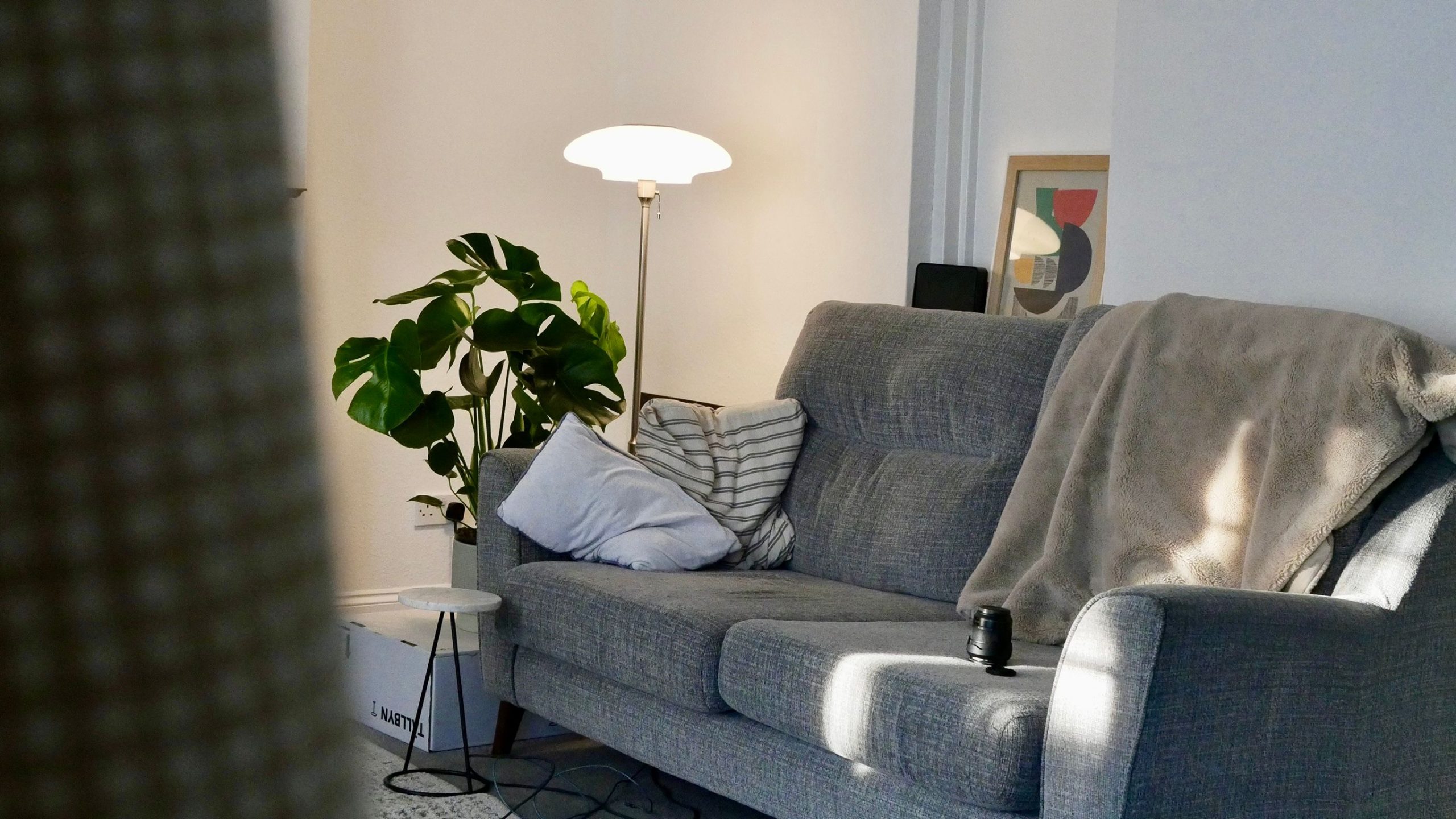
Key Takeaways
- Comfortable seating and a functional furniture layout are the foundation of a welcoming and relaxing living room.
- Warm color palettes, layered lighting, and soft textures help create a cozy atmosphere that encourages relaxation.
- Area rugs, curtains, and decorative accents add warmth, visual interest, and personality to the space.
- Natural light and indoor plants can make a living room feel brighter, fresher, and more inviting.
- Smart storage solutions help reduce clutter and maintain a calm, organized environment.
- Seasonal updates and small decor changes can keep the room feeling comfortable and refreshed throughout the year.
- Balancing style, comfort, and practicality creates a living room that supports everyday living while remaining visually appealing.
A cozy living room is more than just a beautifully decorated space. It is a place where family members gather, friends feel welcome, and homeowners can relax after a long day. Whether you enjoy reading, watching movies, entertaining guests, or simply unwinding, a comfortable living room can improve the overall enjoyment of your home.
Many people assume that creating a cozy living room requires a major renovation or a large budget. In reality, comfort often comes from thoughtful design choices, proper furniture arrangement, warm lighting, and personal touches that make the space feel inviting. Small improvements can transform even the most ordinary room into a place where people naturally want to spend time.
This guide explores practical ways to create a warm, welcoming, and comfortable living room that combines style and function while supporting everyday living.
Start With a Comfortable Seating Arrangement
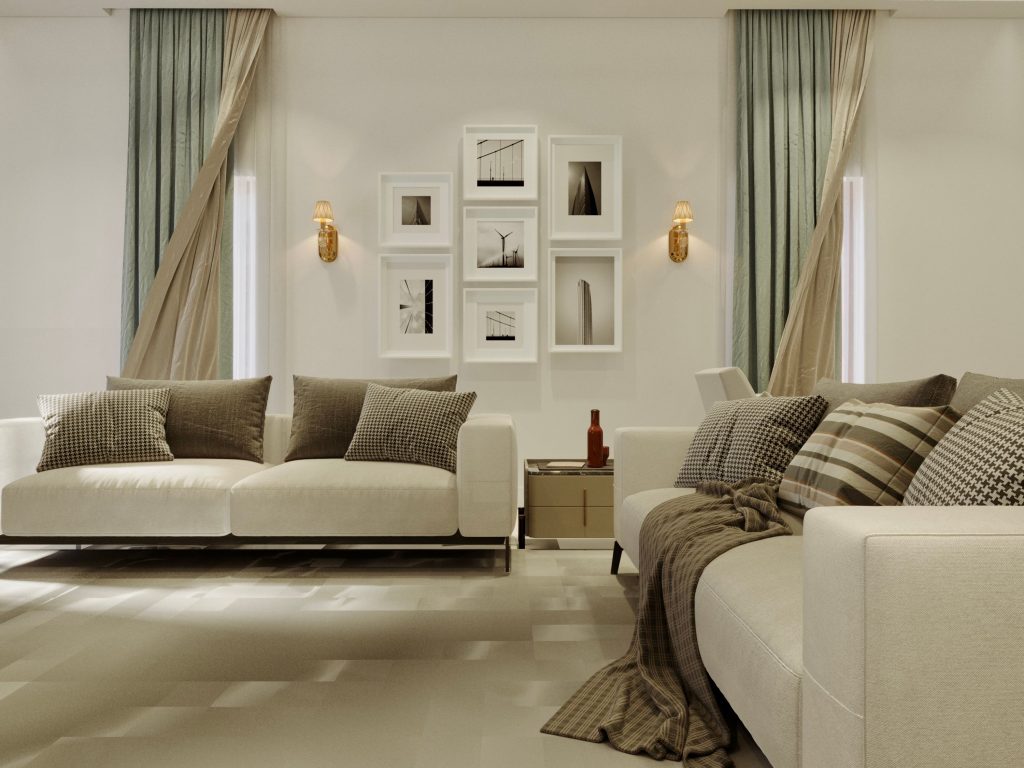
Furniture is the foundation of any living room. Since seating is typically the most-used feature in the space, comfort should be a top priority. A cozy room encourages people to sit down, relax, and stay awhile.
When selecting furniture, focus on pieces that offer both comfort and durability. Soft cushions, supportive seating, and quality upholstery can make a significant difference. Arrange seating to encourage conversation and interaction rather than directing everything toward a television.
Consider including:
- A comfortable sofa
- Accent chairs
- Ottomans
- Sectional seating
- Window benches
Creating a layout that feels welcoming and functional can instantly improve the room’s atmosphere.
Choose Warm and Inviting Colors
Color has a major impact on how a room feels. Warm, soft colors often create a more relaxing and inviting environment than stark or overly bright shades.
Popular cozy living room colors include:
- Warm beige
- Soft gray
- Cream
- Taupe
- Sage green
- Dusty blue
- Warm white
These colors help create a calm atmosphere while providing a versatile backdrop for furniture and decor.
If you prefer darker colors, consider using them as accents through pillows, artwork, or decorative accessories rather than covering every wall.
Layer Different Lighting Sources
Lighting plays one of the most important roles in creating a cozy environment. A single overhead light often makes a room feel flat and uninviting.
Instead, combine multiple light sources throughout the room. Layered lighting allows you to adjust brightness based on the time of day and activity.
Helpful lighting options include:
- Table lamps
- Floor lamps
- Wall sconces
- Dimmer switches
- Accent lighting
- Candles
Warm light bulbs typically create a softer and more comfortable atmosphere than bright white lighting.
Add Soft Textures Throughout the Room
Texture contributes significantly to comfort. Rooms that combine multiple textures often feel richer and more inviting than spaces with only hard surfaces.
Incorporate texture through:
- Throw blankets
- Area rugs
- Decorative pillows
- Upholstered furniture
- Curtains
- Woven baskets
Layering textures adds warmth and visual interest while making the room feel more comfortable.
Even simple additions such as a chunky knit blanket or a soft rug can dramatically improve the overall feeling of the space.
Use Area Rugs to Define the Space
Area rugs serve both practical and decorative purposes. They help anchor furniture, soften hard flooring, and add warmth to the room.
When selecting a rug, consider:
- Room size
- Furniture layout
- Color palette
- Material durability
Larger rugs often create a more cohesive appearance because they allow multiple furniture pieces to sit on the rug rather than around it.
Soft rugs also make the room more enjoyable for children, pets, and guests.
Maximize Natural Light
Natural light helps make living rooms feel open and welcoming. Even cozy spaces benefit from bright daytime conditions.
To maximize natural light:
- Use lighter window treatments
- Keep windows clean
- Position mirrors strategically
- Avoid blocking windows with furniture
Natural light can improve mood while making the room feel larger and more inviting.
Balancing natural light with soft evening lighting creates a comfortable environment throughout the day.
Incorporate Personal Decor
A truly cozy living room should reflect the people who live there.
Personal touches may include:
- Family photographs
- Travel souvenirs
- Artwork
- Books
- Meaningful collectibles
These items help create a sense of belonging and make the room feel unique.
Decor should tell a story rather than simply fill empty space.
Create a Functional Furniture Layout
Comfort depends not only on furniture quality but also on furniture placement.
Avoid overcrowding the room. Leave enough space for:
- Walking paths
- Conversation areas
- Daily activities
A functional layout improves both comfort and usability.
When arranging furniture, think about how people naturally move through the room and interact with one another.
Add Built-In Storage Solutions
Clutter can quickly undermine a cozy atmosphere.
Storage helps maintain a clean and relaxing environment.
Useful storage options include:
- Built-in shelving
- Storage ottomans
- Media cabinets
- Decorative baskets
- Console tables
Organized rooms tend to feel calmer and more inviting.
Good storage solutions make it easier to keep the living room tidy without sacrificing style.
Bring Nature Indoors
Plants add life, texture, and color to a living room.
Benefits of indoor plants include:
- Improved air quality
- Increased visual appeal
- Enhanced relaxation
Popular low-maintenance options include:
- Snake plants
- Pothos
- ZZ plants
- Peace lilies
Even a few carefully placed plants can make a room feel more welcoming.
Focus on Seasonal Comfort
Living rooms should remain comfortable throughout the year.
Seasonal adjustments might include:
- Lightweight fabrics during summer
- Heavier blankets during winter
- Seasonal decor updates
- Adjusted lighting levels
Homeowners researching how to prepare your home for summer often focus on cooling systems and outdoor spaces, but refreshing the living room with lighter fabrics, breathable materials, and improved airflow can also improve comfort during warmer months.
Making seasonal adjustments helps keep the room enjoyable year-round.
Choose Window Treatments Carefully
Curtains and blinds contribute significantly to both comfort and appearance.
Consider:
- Light control
- Privacy
- Insulation
- Color coordination
Layering curtains with blinds can provide greater flexibility throughout the day.
Window treatments also soften the room and add texture.
Create a Reading or Relaxation Corner
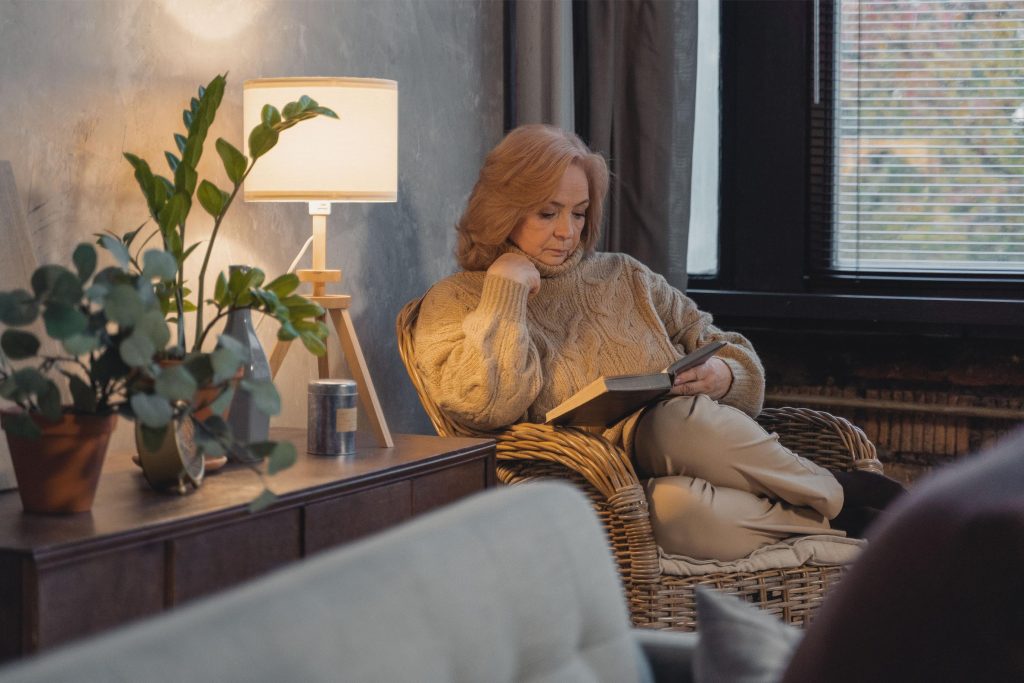
Many cozy living rooms include a dedicated relaxation area.
A simple reading nook might include:
- Comfortable chair
- Side table
- Floor lamp
- Small bookshelf
This type of space encourages relaxation and provides a quiet retreat within the home.
Even small living rooms can accommodate a compact relaxation corner.
Use Decorative Accents Thoughtfully
Accessories help complete a room’s design.
Examples include:
- Candles
- Vases
- Trays
- Decorative bowls
- Artwork
The key is balance.
Too few accessories can make a room feel unfinished, while too many can create visual clutter.
Choose pieces that contribute to the room’s overall style and atmosphere.
Keep the Room Organized
Organization is essential for comfort.
Simple habits can help maintain order:
- Return items to their proper place
- Reduce unnecessary clutter
- Use hidden storage when possible
A clean and organized environment often feels more relaxing and enjoyable.
Routine tidying prevents the room from becoming overwhelming.
Improve Acoustics for Better Comfort
Sound affects how comfortable a room feels.
Hard surfaces can create echoes and noise.
Soft materials help absorb sound, including:
- Rugs
- Curtains
- Upholstered furniture
- Fabric wall decor
Improved acoustics create a quieter and more peaceful environment.
Consider Future Home Improvements
Living room updates are often part of larger renovation projects. Homeowners who are planning essential home renovations should think about how flooring, lighting, wall finishes, and furniture selections work together to support both comfort and functionality.
A cohesive renovation strategy can help create a living room that remains enjoyable for years to come.
Address Maintenance Issues First
Before investing heavily in decor, it is important to address underlying maintenance concerns.
For example:
- Drafty windows
- Damaged flooring
- Water stains
- Structural issues
A beautiful room will never feel truly comfortable if maintenance problems remain unresolved.
Similarly, homeowners researching how to restore a damaged roof often discover that solving exterior issues can prevent interior problems such as leaks, stains, and moisture damage that affect living room comfort.
Maintaining the home’s structure supports the long-term success of interior improvements.
Use Scent to Enhance Atmosphere
The way a room smells can influence comfort just as much as its appearance.
Popular options include:
- Scented candles
- Essential oil diffusers
- Fresh flowers
Choose subtle fragrances that create a pleasant environment without overwhelming guests.
Seasonal scents can also add variety throughout the year.
Balance Style and Function
A cozy living room should not only look attractive but also support everyday life.
Consider:
- Family needs
- Pets
- Entertaining habits
- Storage requirements
Design decisions should improve both comfort and usability.
Beautiful rooms are most successful when they function well.
Avoid Common Cozy Living Room Mistakes
Some decorating choices can unintentionally reduce comfort.
Common mistakes include:
- Overcrowding furniture
- Using harsh lighting
- Ignoring storage needs
- Choosing style over comfort
- Neglecting maintenance issues
Avoiding these mistakes helps create a more enjoyable space.
Refresh the Room Periodically
Even small updates can keep a living room feeling fresh.
Simple changes may include:
- New pillows
- Updated artwork
- Rearranged furniture
- Seasonal accessories
Regular refreshes prevent the room from feeling stale while maintaining its cozy atmosphere.
Final Thoughts
Creating a cozy living room does not require a complete remodel or expensive designer furnishings. Comfort often comes from thoughtful choices that prioritize warmth, functionality, organization, and personal style. By combining comfortable seating, layered lighting, soft textures, practical storage, and meaningful decor, homeowners can transform their living rooms into inviting spaces that encourage relaxation and connection.
Whether you are starting with a blank slate or updating an existing room, focusing on comfort and usability will help create a living room you’ll genuinely enjoy spending time in every day. With careful planning and attention to detail, even small improvements can make a lasting difference in how your home looks and feels.