
A home does not need to be large, new, or perfectly designed to feel comfortable. In many cases, the difference comes from how well the space supports daily life. A home that works well has clear pathways, useful storage, comfortable rooms, dependable systems, and fewer small problems competing for attention.
Optimizing a home is not only about decorating or organizing. It is also about noticing what slows routines down, what causes stress, and what areas are not being used as well as they could be. A cramped entryway, a stuffy bedroom, a cluttered garage, or a damp corner under the sink can all affect how a household feels day after day.
The goal is to make the home easier to live in. That may mean rearranging furniture, improving lighting, protecting storage areas, maintaining key systems, or planning smarter upgrades over time. When comfort, function, and upkeep work together, everyday living becomes smoother and more enjoyable.
Create Comfortable Living Areas That Work Harder

The rooms people use most often should feel easy to move through, comfortable to sit in, and practical for more than one purpose. A living room may need to support relaxing, homework, pets, guests, and movie nights. A dining area may also serve as a work zone. A bedroom may need better storage so it feels restful instead of crowded.
Start by looking at how each room feels during a normal day. Is one area too warm in the afternoon? Does furniture block a vent? Are chairs placed where people naturally walk? Small adjustments can make a room feel larger without adding square footage.
Temperature plays a bigger role than many homeowners realize. When rooms are too hot or too cold, people stop using them. A sunroom, upstairs bedroom, or finished basement can become wasted space if the temperature is uncomfortable. Sometimes the fix is simple, such as changing filters, clearing vents, or improving airflow. In other cases, air conditioning repair may be needed to restore comfort and make underused rooms livable again.
Cold-weather comfort matters too. A furnace that struggles to heat evenly can make certain areas feel off-limits for months. Scheduling furnace repair service before the coldest part of the year can help prevent uneven heating, high energy bills, and frustrating breakdowns.
Comfort also depends on how air moves through the home. Large furniture pushed over vents, closed doors, heavy curtains, and crowded corners can all affect how a room feels. Before assuming a room needs a major upgrade, try adjusting the layout. Pull furniture a few inches away from walls, keep vents clear, and use fans to help circulate air between rooms.
A comfortable room does not need to be perfect. It only needs to support the way people actually live. When seating, airflow, lighting, and layout work together, the home feels more open and useful.
Prevent Small Problems Before They Take Over
A home often loses function slowly. One cabinet becomes unusable because of a drip. A laundry area starts to smell musty. A basement corner becomes a place no one wants to store anything. These issues may seem minor at first, but they can gradually reduce the amount of space a household can comfortably use.
A practical prevention routine can help:
- Check under sinks once a month for moisture, stains, or soft cabinet bottoms.
- Look around toilets, tubs, and appliances for signs of slow water damage.
- Pay attention to changes in water pressure, slow drains, or unexplained odors.
- Keep storage boxes off basement floors when possible.
- Address small problems before they spread into walls, floors, or ceilings.
Leak detection is especially important because hidden water issues can damage areas long before they become obvious. A small leak behind a wall or under flooring can turn a useful room into a repair project if it goes unnoticed.
When problems involve pipes, drains, fixtures, or water lines, local plumbers can help identify the source and prevent further damage. This is not just about fixing inconvenience. It is about protecting kitchens, bathrooms, closets, laundry rooms, and storage areas that support everyday routines.
It also helps to treat water-prone areas differently from dry storage areas. Avoid placing cardboard boxes directly on basement floors. Use plastic bins for items stored near laundry rooms, utility closets, or garage walls. Keep cleaning products, towels, and household supplies organized so small leaks are easier to spot.
The best home improvements are sometimes the least visible. Dry cabinets, reliable drains, and protected walls may not feel exciting, but they keep the home usable.
Improve Entry Points for Better Functionality and Security

Every home has transition zones. These are the areas where people come in, drop bags, remove shoes, bring in groceries, grab keys, or let pets outside. When these spaces are poorly organized, the whole home can feel messier than it really is.
Picture a weekday evening. Someone comes in through the garage carrying groceries, mail, a backpack, and a jacket. If there is no clear landing spot, everything ends up on the nearest chair or counter. By the next morning, the clutter has spread. A better entry point can prevent that chain reaction.
The garage is often one of the most overlooked spaces in the home. It can become a storage overflow area instead of a useful extension of the household. A well-maintained residential garage door supports security, convenience, and daily access, especially if the garage is used as a main entrance. Once access is reliable, the space can be divided into zones for tools, seasonal items, sports gear, and household supplies.
Windows, porches, and patios also affect how usable a home feels. Fresh air and natural light can make rooms feel larger, but damaged screens can limit ventilation or invite insects indoors. Screen repair can help restore comfort without major renovation, especially in areas where families rely on open windows during mild weather.
Entry areas work best when they are simple. A few hooks, a shoe tray, labeled bins, and a clear walking path can do more than a complicated storage system. The easier the system is to use, the more likely it is to last.
Protect Your Home From Damage Before It Shrinks Usable Space
Some home problems begin outside but eventually affect the inside. A loose shingle, clogged gutter, small opening near the foundation, or overgrown shrub may not seem urgent. Over time, though, these issues can lead to moisture, pests, odors, and damage that make interior spaces less comfortable.
This is where prevention has real value. An attic that stays dry can remain useful for storage. A sealed crawl space can protect air quality. A clean exterior wall can reduce the chance of insects entering the home. The goal is not to inspect every inch of the property every weekend. It is to notice early warning signs before they become expensive and disruptive.
A few exterior habits can make a difference:
- Walk around the home after heavy rain and look for pooling water.
- Keep gutters clear so water moves away from the structure.
- Trim plants that touch siding, windows, or rooflines.
- Watch for stains on ceilings or walls after storms.
- Seal small gaps where pests or moisture could enter.
Roof repair should not be delayed when there are signs of damage, missing materials, or water intrusion. Once moisture reaches insulation, ceilings, or stored belongings, the impact can spread quickly.
Pest prevention is another part of protecting livable space. A local pest control company can help address conditions that attract insects or rodents before they create bigger problems indoors. This is especially important in garages, attics, kitchens, basements, and storage areas.
A home feels larger when every part of it feels safe, dry, and usable. Protecting the outside helps preserve the comfort inside.
Plan Smart Home Improvements That Increase Everyday Efficiency
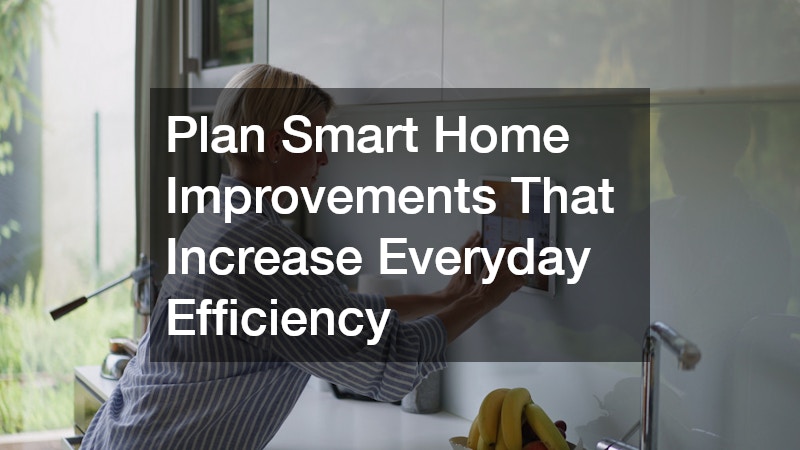
Some upgrades make life easier every single day. They may not be dramatic, but they solve repeated frustrations. Poor lighting over a kitchen counter, too few outlets in a home office, weak airflow in a bedroom, or an awkward charging setup can all make a home feel less functional.
Before starting any project, spend a week noticing small annoyances. Where do extension cords pile up? Which rooms feel dim? Where do people gather even though the layout does not support it? Which spaces are avoided because they are uncomfortable?
This kind of observation leads to better decisions. Instead of upgrading for appearance alone, homeowners can choose improvements that support daily life.
An electrician can help with projects that improve both function and safety. That may include adding outlets, updating older wiring, installing better lighting, or creating dedicated circuits for appliances or workspaces. Better electrical planning can make rooms more flexible, especially as more households rely on devices, chargers, home offices, and entertainment systems.
Comfort upgrades also matter. In some homes, ac installation may be the right choice when existing cooling is inefficient, outdated, or unable to serve the layout properly. This is especially useful when finishing a room, converting a garage area, or making upstairs bedrooms more comfortable.
Smart improvements should answer a real need. A beautiful room that lacks outlets, light, or comfort will still frustrate the people using it. A practical upgrade, even a modest one, can make the home feel better every day.
Build Daily Habits That Keep Your Home Organized and Functional
Even the best-designed home needs habits that support it. Organization is not a one-time project. It is a pattern of small decisions that keep clutter from taking over useful areas.
A helpful way to begin is to think in zones. Each space should have a purpose, even if that purpose is flexible. A corner of the kitchen may be for school papers. A closet shelf may be for pet supplies. A garage wall may be for tools. When items have a clear place to return to, cleanup becomes faster and less stressful.
The most useful habits are simple enough to repeat:
- Reset high-use surfaces at the end of the day.
- Keep donation bags in an accessible closet.
- Store seasonal items together instead of scattering them across rooms.
- Review one drawer, shelf, or cabinet each week.
- Avoid keeping items “just for now” in walkways or entry areas.
It also helps to match storage to real behavior. If shoes always pile up by the back door, that area needs a shoe solution. If mail lands on the kitchen island, a nearby tray or wall organizer may work better than a filing cabinet in another room.
A home becomes easier to maintain when systems fit the people living there. The goal is not perfection. The goal is less friction. When daily habits are realistic, rooms stay more open, storage works better, and the home feels calmer.
Adapt Each Space as Your Household Changes

One of the biggest reasons homes begin to feel crowded is that they are often arranged for a version of life that no longer exists. A guest room may still be set up for occasional visitors even though it now stores exercise equipment, holiday decorations, and old furniture. A formal dining room may sit empty while everyone gathers around the kitchen island. Reassessing how each room is used can reveal opportunities to make the home work much harder without adding square footage.
Start by asking a simple question: Does this room support everyday life, or is it preserving an outdated purpose? The answer often points toward meaningful improvements. A spare bedroom can become a flexible office with hidden storage. An unfinished corner of the basement might be converted into a hobby area. Even a hallway alcove can become a reading nook, homework station, or charging center with thoughtful planning.
Multi-purpose furniture can make these transitions even easier. Storage benches provide seating while hiding blankets or shoes. Coffee tables with built-in compartments reduce visible clutter. Beds with drawers underneath create space for seasonal clothing without requiring additional furniture. These choices are especially valuable in smaller homes where every square foot needs to perform more than one job.
It also helps to think vertically rather than horizontally. Empty wall space is often underused, even though it can support shelving, cabinets, hooks, or pegboards. Moving storage upward frees valuable floor space, making rooms feel larger while keeping everyday essentials within reach. In kitchens, this might mean adding shelves above countertops for frequently used dishes. In garages, wall-mounted systems can keep tools, bicycles, and gardening equipment organized without reducing parking space.
Another effective strategy is to evaluate possessions with intention instead of emotion. Many households hold onto items because they might be useful someday. While keeping a reasonable supply of essentials makes sense, storing years of unused belongings often limits the home’s ability to support current needs. Scheduling a seasonal review of closets, cabinets, and storage areas helps prevent clutter from quietly taking over.
Finally, remember that optimization is an ongoing process rather than a one-time project. As careers, hobbies, and family routines change, the home should evolve alongside them. Small adjustments made throughout the year are usually more manageable than waiting until clutter or maintenance issues become overwhelming.
Make Every Improvement Support Real Life
A better home is not defined by size. It is defined by how well it supports the people who live there. Comfort, safety, storage, maintenance, and layout all work together to shape everyday routines.
The most effective changes often begin with observation. Notice where clutter collects, where comfort breaks down, where repairs are being delayed, and where a room is not living up to its potential. Then choose practical improvements that solve those problems one at a time.
A home does not need a full renovation to feel better. Clearer entry points, more reliable systems, better lighting, protected storage, and simple daily habits can make a noticeable difference. With steady care and thoughtful planning, every part of the home can become more useful, comfortable, and ready for everyday living.