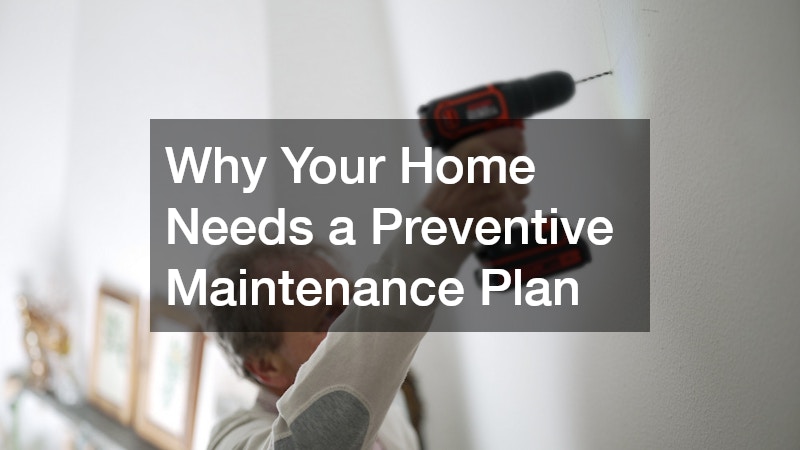
Owning a home comes with a quiet responsibility that often goes unnoticed—until something breaks. A small drip under the sink, a faint buzzing from the breaker box, or a slight drop in airflow may seem insignificant at first. But over time, these minor issues can compound into expensive repairs, inconvenient disruptions, and even safety risks.
A preventative maintenance plan shifts the way you think about homeownership. Instead of reacting to problems, you anticipate and minimize them. This approach not only protects your investment but also creates a more comfortable, efficient, and predictable living environment.
Understanding the Real Cost of Delayed Repairs
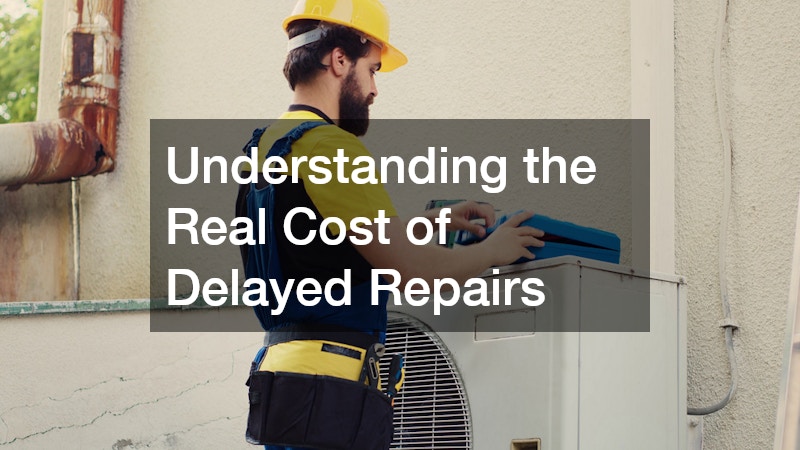
When something in your home fails unexpectedly, the cost is rarely limited to the repair itself. There’s the urgency, the disruption to your daily routine, and often the need to fix related damage that could have been avoided.
Imagine a small leak behind a wall that goes unnoticed. Over weeks or months, it can lead to mold growth, structural damage, and higher utility bills. What might have been a simple fix turns into a multi-step restoration project.
Delaying maintenance tends to create a domino effect:
- Minor wear leads to system strain
- Strain leads to inefficiency
- Inefficiency leads to failure
Preventative care interrupts that chain early. It keeps systems running within normal limits, extends their lifespan, and reduces the likelihood of emergencies that force you into rushed decisions.
Building a Seasonal Maintenance Routine That Fits Your Life
A maintenance plan doesn’t need to be complicated to be effective. In fact, the simpler it is, the more likely you are to stick with it. The key is to break tasks into manageable timeframes that align with the natural rhythm of the year.
Rather than tackling everything at once, think in terms of seasons. Each season brings different stressors to your home—heat, cold, moisture, or increased usage—and your maintenance tasks should reflect that.
Creating a Flexible Year-Round Framework
A practical approach might look like this:
- Monthly: Quick visual inspections, checking for leaks, testing smoke detectors
- Quarterly: Filter replacements, clearing debris from drains, and inspecting visible wiring
- Annually: Professional inspections and deeper system maintenance
The goal isn’t perfection—it’s consistency. Even small, regular check-ins can reveal issues early, when they’re easier and less expensive to fix.
Some homeowners find it helpful to set reminders on their phone or tie tasks to recurring events, like the start of daylight saving time. Over time, these routines become second nature. You may even begin to notice patterns—such as certain issues recurring during specific seasons—which can help you stay one step ahead.
Improving Indoor Comfort Through Better Airflow and Electrical Support
Indoor comfort depends heavily on how well air and energy move through your home. When airflow is restricted, or electrical systems are strained, you may notice uneven temperatures, rising energy bills, or equipment that seems to work harder than it should.
A common issue is buildup within ductwork. Dust, debris, and allergens can accumulate over time, reducing efficiency and affecting air quality. Scheduling periodic air duct cleaning helps restore proper airflow and creates a healthier indoor environment, especially for households with allergies or pets.
At the same time, your HVAC system relies on stable electrical connections. Faulty wiring or overloaded circuits can reduce performance or even damage equipment. Having electricians inspect key components ensures everything is functioning safely and efficiently behind the scenes.
This combination—clean airflow and reliable electrical support—creates a noticeable difference. Rooms feel more balanced, systems operate more quietly, and energy usage becomes more predictable. Over time, these improvements can also contribute to lower utility bills and a longer lifespan for your equipment.
Reducing the Risk of Plumbing Failures With Regular Attention
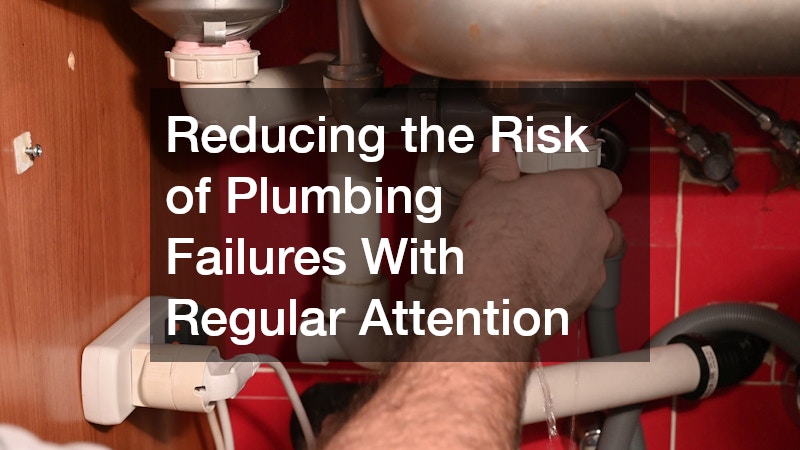
Plumbing issues rarely appear out of nowhere. They usually begin as subtle changes: a slightly slower drain, a faint odor, or a small fluctuation in water pressure. Paying attention to these early signs can save you from much larger problems down the line.
Regular maintenance plays a crucial role in keeping your plumbing system stable. Routine drain cleaning, for example, helps prevent buildup that can lead to blockages or backups. It’s a simple step that keeps water flowing freely and reduces stress on your pipes.
There are also moments when professional insight makes a difference. A licensed plumber can identify hidden issues that aren’t visible during a quick inspection, such as developing leaks or early signs of corrosion.
Taking a proactive approach to plumbing isn’t about constant intervention—it’s about staying aware and addressing small concerns before they escalate. Even something as simple as listening for unusual sounds or checking under sinks periodically can make a meaningful difference.
Keeping Drain Systems Flowing Smoothly Every Day
Drain issues often start with everyday habits. What goes down your sink or shower drain has a cumulative effect over time. Grease, soap residue, hair, and food particles can gradually restrict flow, even if everything seems fine on the surface.
One of the most common frustrations homeowners face is dealing with clogged sink drains. These blockages can disrupt daily routines and, if ignored, may lead to more serious plumbing complications.
Simple preventative habits can make a big difference:
- Avoid pouring grease or oils down the drain
- Use strainers to catch debris
- Flush drains periodically with hot water
Still, there are times when routine care isn’t enough. Persistent slow drainage or recurring clogs may indicate a deeper issue within the system. In those cases, reaching out to a trusted plumbing company can help resolve the problem before it affects other areas of your home. Addressing these issues early can also prevent unpleasant odors and potential water damage.
Extending the Lifespan of Water Heating Systems Through Care
Hot water is something most homeowners take for granted—until it’s gone. Water heaters work quietly in the background, but they require regular attention to stay efficient and reliable.
Over time, sediment can build up inside the tank, reducing efficiency and increasing wear on internal components. Flushing the system periodically helps maintain performance and prevents unnecessary strain.
There are also warning signs that shouldn’t be ignored:
- Inconsistent water temperature
- Unusual noises from the tank
- Discolored or rusty water
Addressing these early may prevent the need for extensive water heater repair later on. In some cases, issues with the broader plumbing system—such as problems requiring main line service—can also impact water heater performance.
By maintaining both the unit and the surrounding system, you create a more dependable supply of hot water and reduce the risk of unexpected breakdowns. This is especially important in households with higher water usage, where strain on the system can build quickly.
Maintaining Electrical Safety and Capacity in a Changing Home
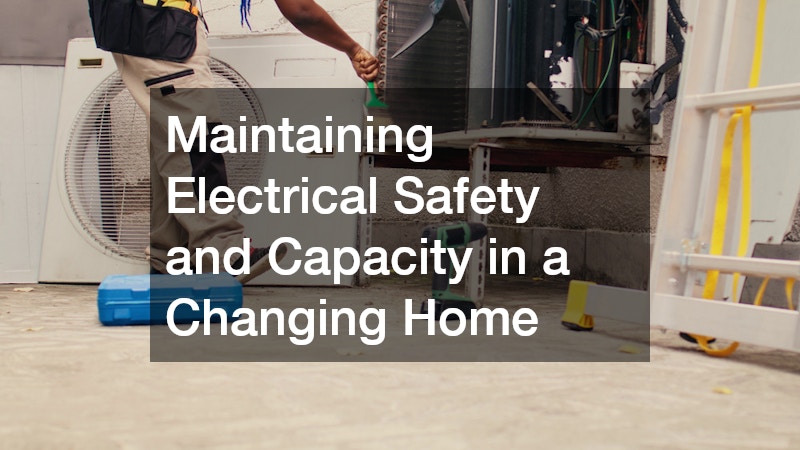
As homes evolve, so do their electrical demands. New appliances, home offices, and entertainment systems all place additional strain on circuits that may not have been designed for modern usage.
Preventive maintenance in this area focuses on safety as much as functionality. Flickering lights, frequently tripped breakers, or outlets that feel warm to the touch are all signs that something may need attention.
Working with local electrical contractors allows you to assess the current state of your system and identify potential risks. They can also help determine whether upgrades are necessary to support your home’s needs.
In some cases, an electrical panel upgrade becomes essential. Older panels may struggle to handle increased loads, leading to inefficiencies or safety concerns. Upgrading ensures your system can operate reliably while accommodating future growth. It also provides peace of mind, knowing your home is better protected against electrical hazards.
Planning a Maintenance Budget That Works Over Time
One of the most overlooked aspects of home maintenance is budgeting. Without a plan, even routine expenses can feel unexpected, and larger repairs can become overwhelming.
A preventative maintenance budget doesn’t need to be exact. It simply provides a framework that helps you prepare for recurring costs and prioritize important tasks.
Start by identifying your home’s key systems—HVAC, plumbing, electrical, and structural components. Then estimate annual maintenance needs for each category. Over time, you’ll develop a clearer picture of what your home requires.
Breaking Down Costs Into Manageable Categories
Instead of thinking about maintenance as one large, undefined expense, it helps to divide it into smaller, more predictable categories. This makes planning easier and reduces the mental burden of “unknown” costs.
You might organize your budget like this:
- Routine servicing (inspections, cleanings, minor tune-ups)
- Replacement reserves (filters, small parts, wear-and-tear items)
- Emergency buffer (unexpected repairs or urgent service calls)
By assigning approximate amounts to each category, you gain better visibility into where your money is going and why.
Estimating Annual Maintenance Needs Realistically
Many homeowners underestimate how frequently certain systems require attention. A more realistic approach is to look at manufacturer recommendations and past expenses.
For example, if you’ve had to service a system twice in the past year, that’s a useful baseline. Over time, tracking these patterns helps you refine your estimates and avoid surprises.
It’s also helpful to think in terms of averages rather than exact numbers. Some years will be quieter, while others may require more attention. The goal is to smooth out those fluctuations.
Creating a Monthly Contribution Habit
It can also be helpful to set aside a small monthly amount dedicated to maintenance. This creates a financial cushion that makes it easier to address issues promptly, rather than delaying them due to cost concerns.
Even modest contributions add up over time. More importantly, they shift your mindset from reactive spending to proactive planning.
Some homeowners automate this process by transferring funds into a separate account each month. Others simply track it as part of their regular budgeting routine. The method matters less than the consistency.
Adjusting Your Budget as Your Home Ages
A newer home may require less maintenance upfront, but costs tend to increase as systems age. Being flexible with your budget allows you to adapt to these changes without stress.
If a major system is nearing the end of its lifespan, you can begin allocating more funds toward its eventual replacement. This gradual approach prevents sudden financial strain and gives you more control over timing.
Over time, your maintenance budget becomes less of a guess and more of a reliable tool—one that supports smarter decisions and a more stable home.
Deciding When to Handle Tasks Yourself or Seek Help
Not every maintenance task requires professional assistance. In fact, many homeowners take pride in handling basic upkeep on their own. The key is knowing where to draw the line.
Tasks like replacing filters, checking for visible leaks, or clearing minor debris from drains are generally safe and manageable. They provide a hands-on understanding of how your home functions.
However, more complex systems—especially those involving electricity, gas, or major plumbing—often require specialized knowledge. Attempting to fix these without proper experience can lead to greater damage or safety risks.
Building relationships with trusted professionals allows you to approach maintenance with confidence. You know when to step in yourself and when to rely on expert support.
Recognizing the Long-Term Value of Consistent Care

A well-maintained home doesn’t just function better—it holds its value more effectively over time. Buyers and inspectors often look for signs that a property has been cared for, and a documented maintenance history can make a strong impression.
Beyond resale value, there’s also the day-to-day benefit of living in a home that feels reliable. Systems run smoothly, unexpected disruptions are minimized, and there’s a sense of control over your environment.
Preventive maintenance isn’t about eliminating every possible issue. It’s about reducing uncertainty and creating a home that supports your life rather than interrupting it.
Taking the First Step Toward a More Reliable Home
Starting a preventative maintenance plan doesn’t require a major overhaul. It begins with awareness—paying attention to how your home operates and addressing small issues as they arise.
Over time, these small efforts add up. They protect your investment, improve your comfort, and give you greater confidence in the place you call home.
The most important step is simply to begin.