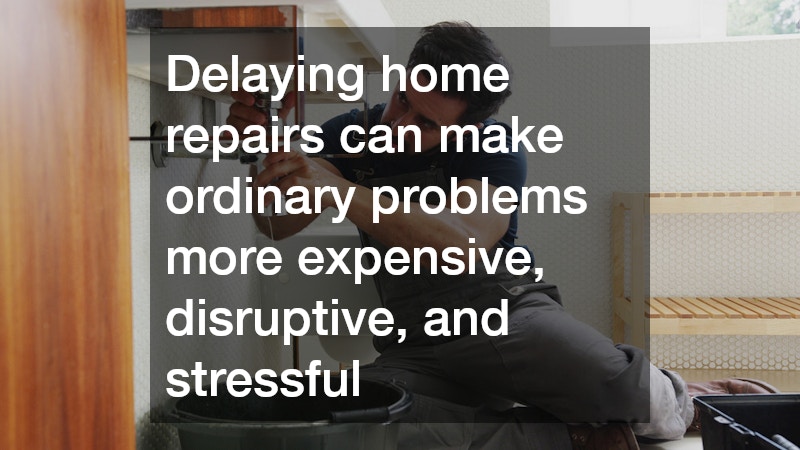
Small home repairs rarely stay small when water, heat, daily use, or structural wear are involved. A loose fixture, weak roof spot, slow drain, or unreliable door may seem manageable at first, but delayed repairs often spread into surrounding materials. The longer a problem continues, the harder it becomes to separate the original issue from the secondary damage it caused. A practical repair plan helps homeowners protect comfort, safety, and long-term value.
Budgeting for home repairs also gives you more control over timing. Emergency work often limits contractor availability, material choices, and the ability to compare scopes carefully. Planned repairs let you address the highest-risk items first while organizing less urgent upgrades around seasons, household schedules, and available funds. That approach is usually easier than waiting until several problems compete for attention at once.
The most important repairs are not always the most visible. A faded finish may be obvious from the street, while a small leak, failing sensor, or weak seal may cause more serious disruption later. Homeowners should evaluate each issue based on risk, not just appearance. The following repairs deserve prompt attention because they often protect several parts of the home at the same time.
A repair plan should also reflect how one problem may affect another. For example, moisture at an entry may involve drainage, trim, flooring, and door performance instead of one isolated defect. Looking at repairs in groups helps homeowners decide which work should happen first and which improvements should wait. That perspective protects the budget because finished surfaces are less likely to be disturbed by unresolved causes.
Roof Leaks Around Ceilings and Attics
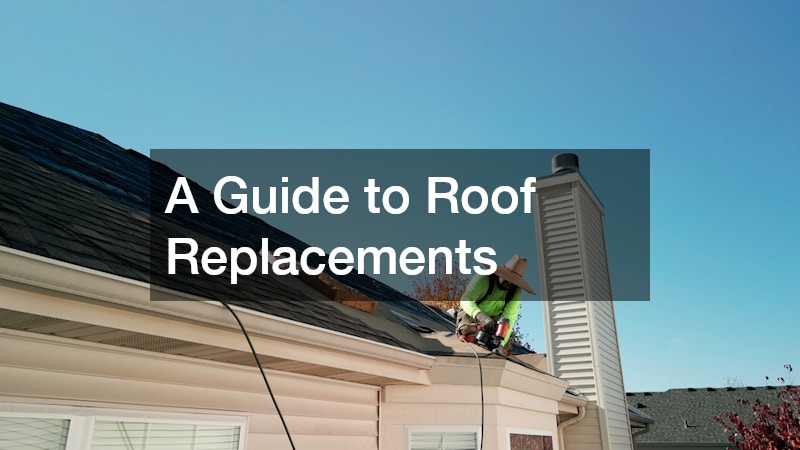
A roof leak should move to the top of the repair list because water rarely stays where it enters. A roofing company can inspect shingles, flashing, valleys, vents, and roof penetrations to find the actual source rather than relying only on the location of an interior stain. Water may travel along framing or insulation before showing up on drywall. Quick evaluation helps prevent mold, damaged ceilings, weakened wood, and repeated patchwork.
Documentation matters when roof-related water damage appears inside the home. A homeowners insurance claim may require photos, repair records, inspection notes, and a clear explanation of when the damage was discovered. Waiting too long can make it harder to show what happened and what was done to prevent additional harm. Even when coverage depends on policy terms, careful records make the process more organized.
Missing Shingles and Damaged Flashing
Missing shingles, lifted edges, cracked boots, and loose flashing may not create an immediate drip, but they weaken the roof system. Homeowners may need roof installers to identify whether isolated repairs are enough or whether wider replacement planning should begin. A small opening can let wind-driven rain enter during a storm, especially around chimneys, vents, skylights, and wall intersections. Fixing these details early helps preserve the layers beneath the visible roof surface.
Active Pipe Leaks Under Sinks and Behind Walls
Pipe leaks can damage cabinets, subfloors, drywall, framing, and nearby electrical components. Reputable plumbing companies should be contacted promptly when moisture appears under sinks, around toilets, near water heaters, or along walls and ceilings. Even a slow leak can create hidden deterioration when it runs for weeks. Early repair protects finishes and reduces the chance that moisture will spread into areas that are harder to reach.
Water damage can also create paperwork concerns. A homeowners insurance policy may treat sudden events differently from long-term seepage, so timing and documentation are important. Homeowners should record what they found, when they found it, and what steps were taken to stop the damage. This habit supports clearer conversations with adjusters, contractors, and anyone else involved in the repair process.
Slow Drains and Recurring Fixture Backups
A slow drain is not always just an inconvenience. It may point to buildup, damaged piping, blocked venting, or a larger drainage problem that will eventually affect more than one fixture. Skilled plumbing companies can evaluate whether the issue is isolated to a sink or tub or connected to a deeper line concern. Waiting until a backup occurs can expose floors, cabinets, and walls to unsanitary water.
Weak Cooling Performance Before Hot Weather
Cooling problems often become obvious at the worst time, usually when outdoor temperatures are already high. Scheduling air conditioning service when the system starts short cycling, blowing warm air, making unusual noises, or struggling to maintain temperature can prevent a more disruptive breakdown. Early attention may identify clogged filters, refrigerant issues, failing components, or airflow restrictions. A home stays more comfortable when the system is handled before peak demand.
Cooling repairs also affect energy use and indoor comfort. Homeowners should budget for air conditioning service when the system runs constantly, creates uneven temperatures, or produces higher utility bills without a clear explanation. A system that works too hard may wear down faster, especially during long periods of heat. Addressing problems early helps avoid a rushed replacement decision in the middle of summer.
Noisy or Unbalanced Garage Doors
Garage doors are heavy systems, and unusual movement should not be ignored. Prompt garage door repair may be needed when the door shakes, jerks, grinds, sticks, or refuses to close evenly. Track issues, worn rollers, weak springs, damaged panels, and loose hardware can all affect safe operation. A door that fails suddenly can trap vehicles, create security concerns, or become dangerous to operate.
Many door problems are connected to the opener, sensors, or controls rather than the door alone. Reliable garage door openers should respond consistently, reverse properly when required, and move the door without straining. If the opener hums, stops midway, or requires repeated attempts, the system needs attention. Reliable access matters because the garage is often one of the busiest entry points in the home.
Faulty Safety Sensors and Access Controls
Safety sensors, wall controls, remotes, and keypads should work every time. Homes with garage door openers that have inconsistent signals or misaligned sensors may face frustration and safety risks, especially in households with children, pets, or frequent vehicle use. The issue may involve wiring, alignment, motor strain, or aging equipment. Prompt troubleshooting helps prevent daily access problems from becoming a larger system failure.
Access problems should also be evaluated from a security standpoint. Homeowners may need garage door repair when the door will not close fully, leaves gaps, or reverses without a clear reason. A garage that does not secure properly can expose tools, vehicles, and interior access points. A reliable door system supports both convenience and home protection.
Kitchen Leaks Near Sinks and Appliances
Kitchen leaks should be handled quickly because cabinetry, flooring, and drywall can absorb moisture before homeowners see obvious damage. Planned kitchen renovations may become more complicated when plumbing problems are ignored long enough to affect cabinets, backsplashes, subfloors, or adjacent rooms. Fixing the leak first gives any later design work a cleaner foundation. It also keeps the project from shifting from an upgrade into a damage-control effort.
Appliances deserve the same attention. Dishwashers, refrigerator water lines, disposals, and ice makers can all create slow leaks that hide behind finished surfaces. Small puddles, musty odors, swollen toe kicks, or soft flooring near appliance zones should not be dismissed. A quick inspection can clarify whether the problem is a loose connection, failed seal, clogged line, or larger plumbing issue.
Worn Kitchen Surfaces and Failing Fixtures
A kitchen does not need a full remodel every time something wears out. However, cracked counters, loose tiles, failing caulk, damaged flooring, and unstable fixtures can create sanitation, moisture, and safety problems. Homeowners should consider kitchen renovations when multiple surfaces are failing at once or when repairs would be piecemeal and inefficient. Coordinating related work helps avoid repeated disruption in one of the most used rooms in the home.
Cracked Garage and Basement Floors
Floor damage in garages, basements, workshops, and utility areas deserves attention because cracks and porous surfaces can collect moisture, dirt, salt, and stains. Durable local floor coatings may be worth budgeting for when the surface is structurally sound but difficult to clean or protect. Coatings can improve durability, appearance, and maintenance when the preparation is done correctly. Before coating, homeowners should address moisture intrusion, major cracks, or movement issues.
Timing matters with this kind of project. Homeowners should schedule local floor coatings after drainage problems, concrete repairs, and humidity concerns are reviewed. Applying a finish over an unresolved moisture issue may shorten its lifespan and lead to peeling or failure. A careful sequence produces a better result than rushing to cover a surface that still needs repair.
Damaged Siding, Trim, and Exterior Openings
Exterior openings and trim details protect the home from water and pests. When boards soften, caulk splits, siding loosens, or window trim separates, broader home renovations may eventually become necessary if the damage spreads into framing or interior finishes. Early repair keeps the work more targeted. It also helps maintain the home’s weather barrier before seasonal storms, heat, or freezing conditions make problems worse.
Loose Railings, Steps, and Entry Surfaces
Steps, porch boards, handrails, and entry landings affect everyday safety. Loose railings, uneven treads, soft decking, and cracked entry surfaces should be repaired before a small defect causes a fall or blocks normal access. These areas also experience constant exposure to shoes, water, leaves, ice, and furniture movement. Prompt attention keeps entrances safer for residents, guests, and service providers.
Entry repairs should be practical rather than purely cosmetic. Exterior home renovations around porches, steps, and transitions should focus on stability, drainage, lighting, and safe movement before decorative details are added. A good-looking entry that shifts, traps water, or lacks secure rails still creates risk. Function should lead the project, with appearance improving as part of the finished work.
Aging Roof Sections and Ventilation Concerns
A roof can fail gradually even without an active leak. Curling shingles, soft decking, heat buildup, poor ventilation, and worn underlayment may signal that larger planning is needed. Experienced roof installers can evaluate whether the issue is limited to surface materials or connected to attic airflow and moisture control. Addressing ventilation during roof work may improve performance and reduce repeated problems.
A roofing company may also review gutter lines, flashing transitions, and attic moisture signs while planning the repair scope. Looking beyond the damaged area helps homeowners understand whether the roof concern is isolated or part of a broader pattern. This kind of review is useful before money is spent on interior paint, ceiling repairs, or insulation. The goal is to prevent the same moisture path from causing new damage later.
Unreliable Heating, Cooling, and Moisture Control
Indoor comfort systems influence more than temperature. Poor airflow, condensation, musty smells, and uneven rooms may point to maintenance issues that affect comfort and material durability. Homeowners should not ignore signs of excess moisture near vents, windows, basements, or utility areas. Repairing the cause protects flooring, paint, furniture, and indoor air quality.
Comfort problems also affect repair scheduling. A small issue in spring or fall may become an emergency when extreme weather arrives. Homeowners who track changes in room temperature, humidity, noise, and system run time are better prepared to describe the problem. Better information leads to more accurate service decisions.
Repeated Small Repairs Without a Larger Plan
Some homes reach a point where repeated small repairs no longer make financial sense. If the same roof area leaks, the same pipe backs up, the same door fails, or the same surface cracks again, homeowners should look for the underlying cause. A broader plan may reveal that several issues are connected by drainage, age, ventilation, installation quality, or deferred maintenance. Solving the source is usually better than paying for the same symptom again.
Repair planning should include a realistic budget, a sequence of priorities, and notes about what can wait. A plumber, door technician, flooring professional, roofing professional, or other trade may each see one part of the home, but the homeowner needs the full picture. Grouping related work helps reduce disruption and avoids spending money on finishes that may be damaged by unresolved problems. A clear plan turns scattered repairs into a more organized maintenance strategy.
Delaying home repairs can make ordinary problems more expensive, disruptive, and stressful. Roof issues, leaks, cooling problems, garage access failures, worn surfaces, and unsafe entries all deserve timely attention because they affect more than one part of the home. A thoughtful repair schedule helps homeowners protect safety, comfort, and property value without treating every issue as an emergency. The sooner problems are evaluated, the more control homeowners usually have over the final solution.