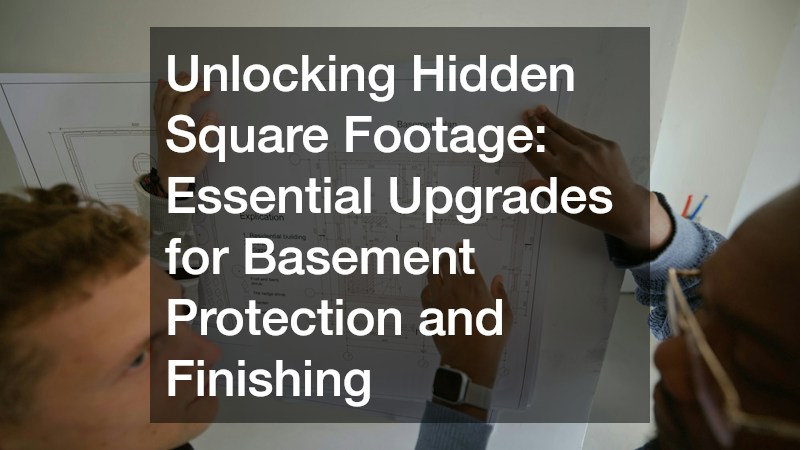
Transforming an underutilized, damp, or dark lower level into a vibrant, fully functional living suite, home theater, private gym, or guest apartment is one of the most effective strategies for maximizing usable square footage and expanding overall home equity. Because the lower level sits within the existing architectural footprint of your home, finishing this space delivers a significantly higher return on investment compared to constructing above-ground room additions. Beyond expanding daily lifestyle utility, a well-engineered lower-level renovation creates valuable living zones that adapt seamlessly to growing family needs, home office demands, or long-term rental income opportunities.
However, converting raw sub-grade space into a safe, comfortable, and healthy living environment requires looking far beyond basic drywall installation and decorative flooring choices. Unlike upper-story living areas, sub-grade building envelopes interact continuously with surrounding soil physics, groundwater pressure, seasonal humidity fluctuations, and sub-surface pest populations. Attempting to frame walls or lay down carpet over raw concrete slabs without resolving hidden moisture seeps, organic fungal growth, or pest intrusion points frequently results in ruined drywall, warped floorboards, foul lingering odors, and severe structural health hazards. Executing a successful lower-level transformation relies on taking a disciplined, pre-renovation preparation approach.
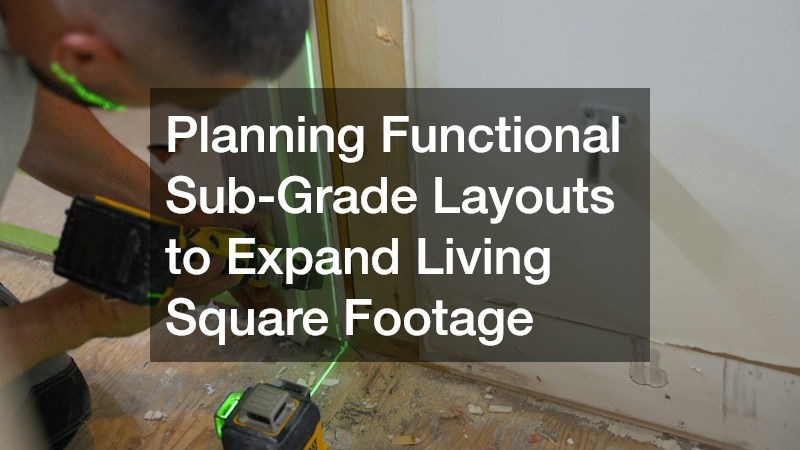
Planning Functional Sub-Grade Layouts to Expand Living Square Footage
Converting a raw, concrete-walled basement into an inviting interior living space requires viewing the lower level as an integrated mechanical and structural system. Raw basements frequently house main HVAC duct trunks, plumbing drain stacks, electrical breaker panels, and central support columns that dictate spatial flow. Opening up cramped footprints by framing around mechanical runs intelligently, designing open-concept living zones, and incorporating code-compliant egress windows creates a bright, spacious atmosphere that instantly elevates property appraisal values.
Investing in high-quality basement remodels enables homeowners to work alongside experienced design-build teams who handle architectural planning, thermal insulation strategies, and trade coordination transparently. Qualified renovation firms utilize 3D visualization tools to help you plan partition walls, bathroom rough-ins, and lighting zones before framing begins. Their experienced project managers coordinate demolition, framing, electrical wiring, and drywall crews seamlessly, ensuring that all structural alterations comply strictly with municipal building safety codes.
Partnering with an accredited renovation firm protects your real estate investment by maintaining strict construction timelines and managing permit filings smoothly. Professional project oversight prevents costly trade overlaps and material delays, ensuring that your lower-level transformation advances efficiently from rough framing to finished details. Comprehensive design-build management establishes a solid, high-value foundation for your new living suite.
Evaluating Accredited Trade Partners for Code-Compliant Space Conversions
Executing a major sub-grade space conversion involves complex building science considerations—including thermal break insulation, sub-floor vapor barriers, acoustic dampening, and egress window installations. Homeowners who hire unverified handymen or low-bid contractors often face unsealed foundation walls, code-violating electrical wiring, improper ceiling heights, and a complete lack of warranty protection when moisture issues arise later.
Evaluating qualified choices among basement contractors enables property owners to review trade licenses, insurance certificates, municipal compliance histories, and client portfolios transparently across prospective firms. Top-tier contractors employ master carpenters and trade specialists who understand regional building codes, fire-block framing requirements, and proper moisture-resistant building materials. Their detailed written proposals outline wall insulation R-values, sub-floor systems, and project completion timelines clearly.
Working with an accredited trade partner guarantees that your capital investment is protected by comprehensive labor guarantees and official municipal building permits. Certified builders coordinate required building, electrical, and plumbing inspections smoothly, ensuring that every phase of construction meets strict safety standards. Thorough contractor evaluation ensures a high-standard, stress-free construction experience built to last.
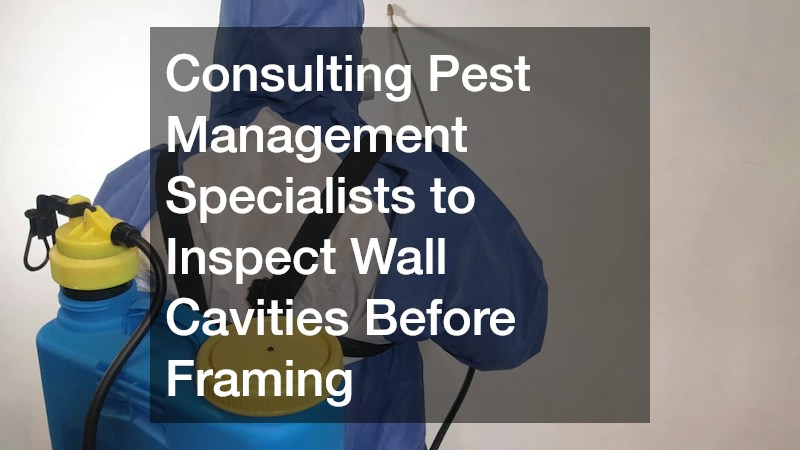
Consulting Pest Management Specialists to Inspect Wall Cavities Before Framing
Sub-grade concrete walls, rim joist cavities, and sill plates provide dark, humid entry points for subterranean pests seeking shelter, moisture, and cellulose food sources. Termites, carpenter ants, spiders, and silverfish often migrate through hairline foundation cracks and unsealed utility pipe penetrations, establishing hidden colonies behind raw concrete walls long before interior framing begins.
Consulting an experienced exterminator prior to installing wall insulation and sheetrock ensures that all exposed foundation perimeters, sill plates, and rim joists undergo rigorous physical inspections and preventative pest barrier treatments. Certified pest inspectors evaluate wood moisture content, identify subtle pest entry points along foundation tops, and apply long-lasting liquid or borate treatments directly to structural framing timbers. Their proactive chemical and physical barriers stop wood-destroying insects from colonizing wall cavities silently.
Proactive pest inspection eliminates the risk of hidden structural insect damage occurring inside newly enclosed drywall spaces. Applying preventative pest controls before framing seals perimeter entry routes completely, protecting your framing investment. Professional pest consultation provides essential long-term protection for your lower-level living area.
Implementing Perimeter Chemical and Physical Barriers Against Sub-Surface Pests
Maintaining a clean, hygienic sub-grade living environment requires establishing continuous, multi-layered pest defense strategies across both interior and exterior foundation perimeters. Damp sub-surface soils surrounding concrete footings harbor large populations of soil-dwelling pests that actively seek warm interior nesting sites during seasonal weather swings.
Implementing an integrated pest control program combines exterior perimeter soil treatments, sealed foundation crack injections, and interior eco-friendly baiting systems tailored to lower-level environments. Experienced pest management technicians seal expansion joints, fill utility pipe gaps with copper mesh and elastomeric sealants, and apply low-odor protective barriers along sub-grade wall bases. Their systematic approach stops foraging pests from penetrating interior living quarters without introducing harsh chemical odors.
Investing in routine pest management preserves interior hygiene and protects carpet fibers, furniture, and wall insulation from pest contamination. Comprehensive pest defense prevents seasonal insect invasions, maintaining a clean, comfortable sanctuary for your family. Integrated pest management delivers total peace of mind for sub-grade living spaces.
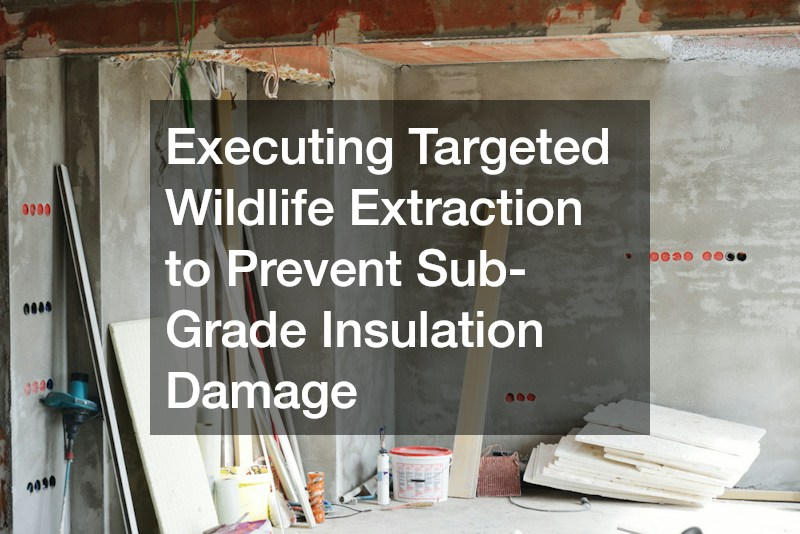
Executing Targeted Wildlife Extraction to Prevent Sub-Grade Insulation Damage
Burrowing rodents—such as mice, rats, and chipmunks—possess sharp teeth capable of gnawing through unsealed utility conduit openings, rotted rim joist boards, and window well seals to access warm basement spaces. Once inside joist cavities, rodents tear fiberglass insulation batts apart to build nests, chew through electrical wire insulation, and deposit droppings that foul indoor air quality with airborne pathogens and foul odors.
Executing a targeted rodent removal protocol requires partnering with wildlife management specialists who deploy humane trapping systems, conduct thorough entry-point exclusion work, and sanitize contaminated joist spaces. Certified wildlife technicians inspect roof lines, foundation vents, utility service entries, and window wells, sealing every gap larger than a quarter-inch with heavy-gauge galvanized hardware cloth and expanding polyurethane foam.
Clearing rodent infestations and sealing entry routes permanently restores healthy indoor air quality and eliminates dangerous electrical fire risks caused by chewed wiring. Professional exclusion work stops future wildlife intrusions completely, protecting wall insulation and sub-floor framing from contamination. Swift wildlife extraction restores total household security and sanitary comfort.
Eliminating Hazardous Fungal Spores and Growth Before Drywall Enclosure
Sub-grade concrete walls continuously absorb soil moisture through capillary action, creating elevated relative humidity levels that foster rapid fungal growth on exposed wood framing, paper-faced drywall, and cardboard storage boxes. Inhaling microscopic fungal spores and volatile organic compounds (VOCs) released by active fungal colonies can trigger severe respiratory allergies, asthma attacks, and chronic health issues for household occupants.
Executing certified black mold remediations prior to enclosing basement walls ensures that active fungal growth is contained, scrubbed, and eliminated completely using EPA-registered biocides and HEPA air scrubbing filtration units. Certified environmental remediation specialists establish negative air pressure containment zones, remove heavily contaminated organic materials safely, and treat raw concrete and timber surfaces with anti-microbial fungicidal sealants that prevent spore regrowth.
Eliminating fungal contamination before wall construction begins guarantees that your new living space maintains pristine indoor air quality. Applying protective anti-microbial coatings to foundation walls seals concrete pores, stopping hidden mold cultivation behind finished drywall. Certified remediation execution protects your family’s health and preserves home equity.
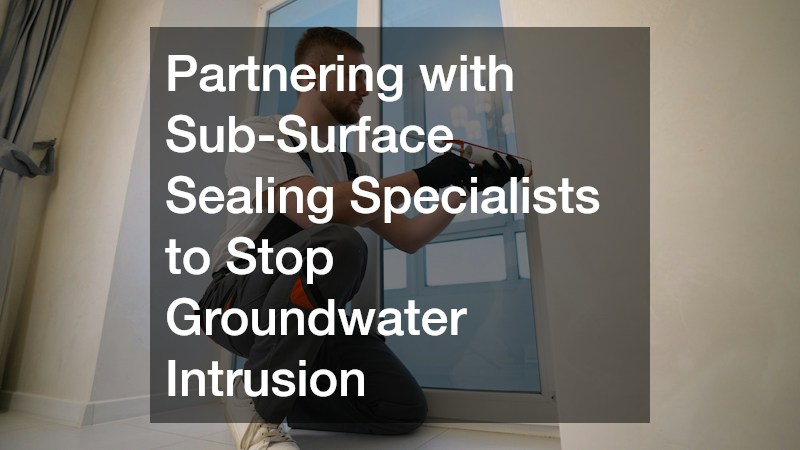
Partnering with Sub-Surface Sealing Specialists to Stop Groundwater Intrusion
Sub-surface groundwater surrounding foundation footings exerts continuous hydrostatic pressure against concrete walls and floor slabs, especially during heavy spring rains and rapid snowmelt events. Hydrostatic pressure forces liquid water through microscopic concrete pores, mortar joints, and slab expansion gaps, leading to standing floor water that ruins finished flooring, baseboards, and drywall within hours.
Partnering with an established basement waterproofing company stops groundwater migration permanently before expensive interior finishing work begins. Specialty drainage contractors install sub-slab interior French drain channels along footing perimeters, set up heavy-duty dual-pump sump basins equipped with battery backup power, and seal raw concrete walls with heavy elastomeric vapor barriers. This integrated drainage system collects sub-surface water automatically and discharges it safely away from your home’s foundation.
Investing in comprehensive sub-surface waterproofing provides written, transferable dry-basement warranties that enhance property resale equity significantly. Internal drainage systems relieve hydrostatic soil pressure continuously, preventing winter freeze-thaw cycles from spalling concrete walls. Professional waterproofing establishes an indestructible, dry sub-grade foundation for your entire house.
Contracting Emergency Drying Teams for Rapid Structural Dehumidification
Unexpected plumbing pipe bursts, water heater failures, or severe weather flooding events can introduce hundreds of gallons of water into lower-level spaces within minutes. Allowing liquid water to saturate structural subfloors, concrete slabs, and wall framing for more than 24 to 48 hours guarantees widespread mold germination, wood rot, and severe structural weakening.
Contracting a certified water damage restoration company at the first sign of major water intrusion guarantees rapid site mobilization, high-capacity water extraction, and industrial-grade thermal dehumidification. Emergency restoration crews utilize thermal imaging cameras and moisture meters to map hidden water migration paths behind walls and under subfloors. They deploy heavy-duty axial air movers and commercial refrigerant dehumidifiers to dry structural framing timbers down to safe equilibrium moisture levels rapidly.
Taking immediate action with professional drying equipment halts active fungal growth and prevents secondary structural warping. Certified restoration technicians sanitize affected building materials with hospital-grade disinfectants, restoring structural integrity and indoor air hygiene. Rapid restoration response protects your lower-level investment from catastrophic water damage losses.
Selecting Industrial Masonry Specialists for Durable Underfoot Slab Surfaces
Concrete floor slabs in sub-grade spaces are subjected to continuous moisture vapor transmission rising from underlying soils, as well as heavy foot traffic, furniture dragging, and potential impact loads. Standard carpet, laminate, or hardwood flooring installed directly over raw concrete slabs often traps rising moisture vapors, leading to dark mold growth, buckling planks, and musty odors underneath finished floors.
Selecting a specialized epoxy floor company enables homeowners to transform raw concrete slabs into smooth, indestructible, and completely waterproof underfoot floor surfaces. Master resin applicators diamond-grind underlying concrete, repair sub-surface cracks with high-strength epoxy fillers, and apply multi-coat industrial resin systems that bond chemically with concrete pores. Their technical application creates a continuous, non-porous floor shield that blocks rising moisture vapors completely.
Working with an accredited masonry coatings specialist guarantees a flawless, high-gloss floor surface that resists heavy impacts, chemical spills, and water exposure without chipping or peeling. Industrial epoxy resins encapsulate raw concrete dust completely, creating a clean, dust-free floor surface that improves indoor air filtration efficiency. Professional floor coating installation establishes a striking, durable foundation for your lower-level space.
Applying Seamless Resin Surface Coatings for Low-Maintenance Floor Utility
For property owners designing versatile lower-level spaces—such as home gyms, craft workshops, family playrooms, or entertainment lounges—flooring surfaces must combine high aesthetic elegance with minimal maintenance demands. Seamless resin floor coatings eliminate dirt-trapping grout joints, carpet fibers, and plank seams entirely, creating a sleek, hygienic surface that cleans effortlessly.
Utilizing professional epoxy floor coating services allows homeowners to select from a wide range of custom decorative finishes—including high-gloss metallic swirls, full-broadcast quartz granules, or decorative vinyl color flakes. Professional applicators apply UV-stable clear polyaspartic topcoats over decorative epoxy base layers, delivering a slip-resistant, scratch-proof surface that reflects ambient lighting beautifully throughout dark lower-level rooms.
Creating an extraordinary, safe, and low-maintenance lower-level living area requires organizing structural space planning, sub-surface waterproofing, professional pest exclusion, certified mold remediation, and heavy-duty resin floor coatings into a single, cohesive property management plan. Prioritizing pre-renovation preparation and environmental controls before installing interior drywall, custom cabinetry, or decorative furnishings prevents hidden moisture seeps and pest intrusion from ruining finished spaces, preserving your real estate equity and indoor utility over time.
Relying on certified trade specialists across sub-grade construction, environmental remediation, pest management, and industrial floor coatings guarantees that every phase of your basement overhaul is executed according to strict building science and municipal engineering standards. Working with qualified contractors for complete waterproofing systems, targeted rodent exclusion, and heavy-duty resin floor applications protects your financial investment and ensures long-term household health and safety. Regular physical inspections, simple surface cleaning, and proactive drainage checks keep your lower-level living area dry, hygienic, and fully operational year after year.