Building a pool is an exciting way to enhance your home, create a backyard retreat, and increase property value. However, it is a major investment that requires careful planning, budgeting, and decision-making. From understanding costs and legal requirements to selecting the right builder, each step is crucial to ensure a successful project. This guide walks you through essential considerations before starting your pool construction journey and provides practical advice to make the process smoother.
How Much Does It Cost to Build a Pool?
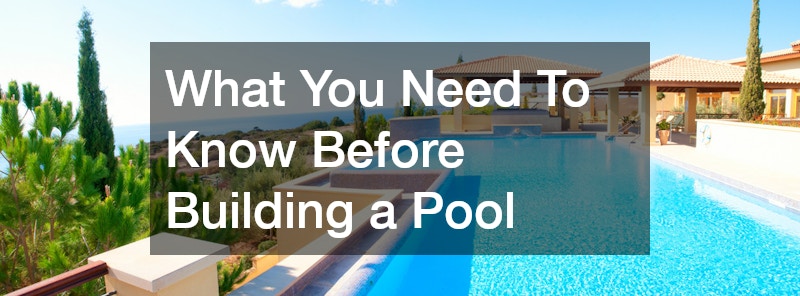
The type of pool you choose significantly impacts both upfront and long-term costs. In-ground pools offer durability and aesthetic appeal but typically come with a higher price tag, often ranging from $35,000 to $70,000 or more depending on materials and design.
Above-ground pools are more budget-friendly and easier to install but may lack the permanence and customization options of in-ground options. Infinity pools or custom designs involve advanced engineering and higher material costs, making them a premium choice for homeowners seeking luxury features. Discussing your preferences with a professional swimming pool contractor helps identify the best type for your budget and space.
Beyond construction, ongoing maintenance is a crucial consideration. Pools require regular cleaning, water treatment, and chemical balancing to remain safe and functional. Electrical costs for pumps, heaters, and lighting add to monthly expenses, and minor repairs or filter replacements can accumulate over time. Estimating these recurring costs before construction ensures that your pool remains affordable long-term and allows you to plan for maintenance budgets alongside the initial build.
Unexpected expenses can arise during construction, such as grading issues, soil complications, or additional landscaping requirements. Permits, inspections, and compliance with local regulations may also add costs. Working with a reputable swimming pool contractor can help anticipate these challenges, provide accurate estimates, and minimize surprises during construction. Proper planning for unforeseen expenses prevents stress and ensures the project stays on track.
What Are the Legal Requirements?
Every community has zoning regulations and building codes that govern pool installation. These laws address factors such as property setbacks, easements, and structural safety. Ignoring these rules can result in fines or even forced removal. Researching local regulations or consulting a swimming pool contractor ensures your project meets all legal requirements from the start.
Permits are mandatory in most areas before beginning pool construction. The process typically involves submitting construction plans, paying fees, and sometimes arranging inspections. A knowledgeable contractor will guide you through the paperwork, ensure compliance with city or county requirements, and streamline the approval process so construction can begin on schedule.
Safety is a top priority when installing a pool. Many jurisdictions require fencing with self-latching gates, pool covers, and anti-entrapment measures for drains and filtration systems. These regulations protect children, pets, and guests while keeping your property in compliance with legal mandates. Ensuring these standards are met prevents potential liability issues and promotes responsible pool ownership.
How to Choose the Right Pool Builder?
Selecting the right pool builder is critical to the success of your project. Research the contractor’s experience, past projects, and reputation in the community. Reviews, references, and portfolios provide insight into quality, reliability, and customer satisfaction. A skilled swimming pool contractor brings technical expertise, design knowledge, and problem-solving skills that are essential for a smooth construction process.
Before hiring, ask potential builders about project timelines, warranties, materials, and their approach to challenges during construction. Discuss expectations for communication, scheduling, and payment structure. Asking these questions ensures that both you and the contractor are aligned on project goals and helps prevent misunderstandings or delays.
Obtaining multiple quotes allows you to compare pricing, scope, and value. Ensure that contracts clearly outline responsibilities, deadlines, and included services. A transparent contract protects both parties and provides clarity on cost, timeline, and deliverables. Working with a professional contractor who is willing to detail these aspects ensures that you can move forward confidently.
Building a pool is a rewarding investment, but it requires careful consideration of costs, maintenance, legal requirements, and contractor selection. Understanding the different types of pools, calculating ongoing expenses, and planning for unexpected costs are essential steps before construction. Complying with local codes and safety regulations keeps your project legal and secure, while selecting an experienced swimming pool contractor ensures a smooth process and high-quality results.
By thoroughly evaluating your options, asking the right questions, and working with professionals, you can create a beautiful, functional backyard oasis that enhances both your lifestyle and home value. With proper planning and guidance, the journey to enjoying a new pool can be efficient, safe, and truly rewarding.