This article provides a comprehensive guide on how licensed roof repair services evaluate and address various structural roof problems, ensuring the safety and integrity of buildings.
1. What are the Common Signs of Structural Roof Issues?
Identifying the early signs of structural roof issues is crucial in preventing severe damage. Homeowners often report water stains, sagging roofs, and missing shingles as initial indicators of roofing problems.
Mold growth and increased energy bills can also suggest underlying roof issues. Furthermore, exterior architectural components such as chimneys and vents may become misaligned due to shifts in the roof structure. Addressing these initial symptoms promptly can prevent more extensive—and expensive—repairs in the future.
Professional roofers evaluate these signs thoroughly to distinguish between superficial damages and major structural concerns. They employ systematic approaches to ensure that no aspect of the roof is overlooked. With high-tech equipment like thermal imaging cameras, roofers can detect moisture intrusion that isn’t visible to the naked eye. Such diligence in assessment helps in creating a suitable repair plan. By pinpointing issues early on, licensed professionals play a vital role in extending the lifespan of roofing structures.
Weather conditions play a significant role in exacerbating structural roof issues. Heavy winds, rain, and snow can further damage weakened areas of roofs. Consequently, regular maintenance and inspections become imperative, particularly in regions with extreme weather patterns. Licensed roofers also educate clients on how best to mitigate damage before, during, and after storms. This proactive approach aids in maintaining both the integrity and functionality of the roof.
2. How do Licensed Roofers Conduct Roof Inspections?
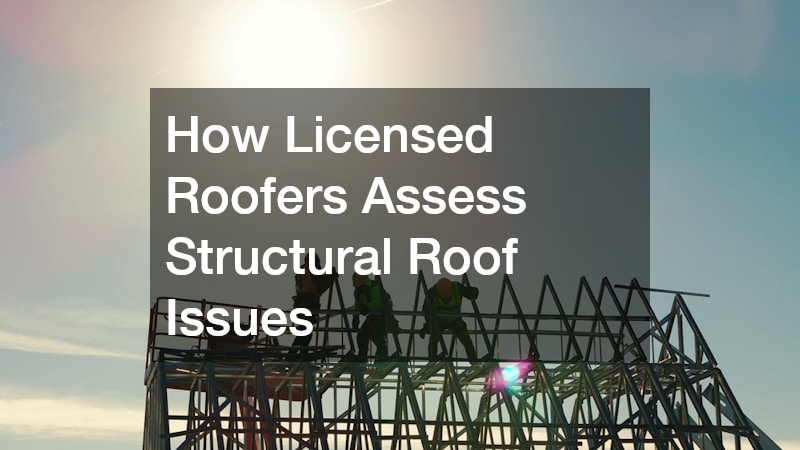
Licensed roofers follow a detailed protocol when conducting roof inspections. Initially, they perform a visual assessment from the ground to identify immediate concerns such as broken shingles or debris accumulation. Following this, a thorough examination from a higher vantage point is conducted, often employing ladders and safety equipment to ensure precision and safety. These steps allow roofers to scrutinize every inch of the roof surface, including hard-to-reach areas.
The importance of safety cannot be overstated during roof inspections. Experienced roofers use harnesses and ropes to prevent falls while accessing challenging roof sections. Moreover, understanding the roof’s history, such as past repairs and material usage, is essential for a complete inspection. Licensed roofers ensure no stone is left unturned, confirming the roof’s structural health and identifying future risks. Their methodical approach is fortified by years of training and hands-on experience.
Technology continues to refine how roof inspections are conducted. Drones equipped with cameras provide roofers with a bird’s eye view, capturing images and footage of roof conditions otherwise difficult to document manually. Infrared thermography is another innovative tool used to detect leaks and insulation issues by highlighting areas of heat loss. Integrating these technologies assures a more comprehensive assessment, making licensed roofers well-equipped to produce highly accurate inspection reports.
3. What Tools and Equipment are Used During Roof Assessments?
The array of tools and equipment used by licensed roofers reflects the complexity of roofing systems. Measuring tapes, moisture meters, and shingle gauges are fundamental tools for analyzing dimensions, water intrusion, and shingle thickness. These essential tools allow roofers to evaluate multiple facets of the roof with confidence and accuracy. Licensed professionals also utilize ladders, flashlights, and protective gloves to ensure not only the accuracy of their assessments but also their personal safety.
In addition to basic hand tools, specialized equipment enhances the thoroughness of evaluations. Roofers may operate specialized tools like electrical testers, which identify potential hazards in areas where roofing interfaces with electrical components. The precision of these tools aids in highlighting specific areas requiring attention, thus facilitating targeted and efficient repair strategies. Advanced protective gear, including safety harnesses and helmets, ensure that each inspection is carried out safely and competently.
Digital tools have modernized the way roof inspections are conducted. Tablets and smartphones loaded with specialized inspection software allow roofers to catalog findings and generate precise reports instantly. Thermal imaging cameras, previously mentioned, detect variations in heat that suggest leaks or insulation problems. These technologies supplement traditional tools, granting licensed roofers comprehensive insights into roof conditions without invasive methods. The use of such innovative tools reflects a commitment to serving clients with the utmost professionalism and precision.
4. What Qualifications Should a Licensed Roofer Have?
Becoming a licensed roofer involves fulfilling specific educational and practical requirements. Typically, roofers start with apprenticeships that provide hands-on experience, under the guidance of seasoned professionals. This practical training is crucial in mastering the varied skills required for different roofing systems. Additionally, academic qualifications, often in construction or architectural studies, strengthen foundational knowledge and understanding of building structures.
Beyond practical experience and formal education, roofers must pass a rigorous licensing exam. This examination assesses their knowledge on safety protocols, roofing materials, and relevant building codes. Staying informed on current regulations and industry advancements is an ongoing responsibility for licensed roofers. They frequently attend workshops, conferences, and continuing education programs to maintain high standards in their work. This commitment to professional development ensures that they remain capable of addressing a broad spectrum of roofing challenges.
Insurance and bonding are essential criteria for any licensed roofer. As roofing work carries inherent risks, having adequate insurance coverage protects both the roofer and the property owner. Bonding offers additional assurance that the roofer operates with integrity and can financially cover any damages or unfulfilled agreements. Together, these qualifications underscore the trustworthiness and reliability of licensed roofing professionals. Property owners can make informed decisions by verifying a roofer’s credentials before engaging their services.
5. How are Structural Roof Repairs Determined and Executed?
Once assessments are complete, licensed roofers formulate a repair plan tailored to the specific issues of the structure. The first step involves determining whether complete replacement or partial repairs are necessary, usually influenced by the extent of damage and the age of the roof. Prioritizing life safety, roofers guarantee that the integrity of the structure is never compromised over cost-saving measures. Scheduling repairs during optimal weather conditions ensures seamless execution and minimal disruption.
The roof repairs processes themselves are meticulously planned and executed. Work begins by preparing the roofing site, which includes removing debris and damaged materials. Roofers then utilize suitable materials and methodologies in accordance with current building codes and industry standards. This can involve patching leaks, replacing damaged shingles, or reinforcing structural supports where necessary. The professionalism displayed during these repairs assures clients of a durable and robust roofing solution.
Post-repair assessments are integral to the process; they confirm the success and quality of the repairs. Roofers conduct thorough inspections to ensure all issues have been addressed and that no secondary problems have arisen during the repair process. Such diligence prevents future complications and prolongs the life of the roof. Offering maintenance tips and preventive care solutions forms part of the roofer’s commitment to long-term client satisfaction. Licensed roofers’ expertise in detecting and remedying structural roof issues protects both the building and its occupants.
Understanding how licensed roofers assess and repair structural roof issues is crucial for maintaining the longevity and safety of a building. Insights from this article can help property owners make informed decisions regarding their roofing needs and ensure professional care and expertise.