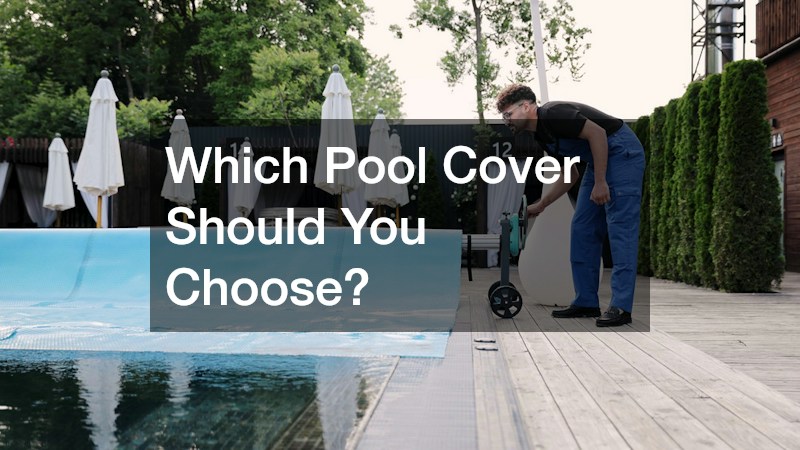
Choosing the right pool cover can make a significant difference to your pool’s cleanliness, safety, and ongoing maintenance. With several options available, it’s worth considering how you use your pool, the local climate, and the amount of upkeep you’re prepared to manage. The right cover can help reduce debris, limit water evaporation, and make caring for your pool more convenient throughout the year.
Before making a decision, think about your priorities and how each type of cover suits your property. Speaking with an experienced inground pool cover company can also help you compare suitable options and find a solution that meets your needs.
Consider What You Want Your Pool Cover to Do
Start by identifying the main reason you want a pool cover. Some homeowners prioritise keeping leaves, dirt, and insects out of the water, while others want to retain warmth or reduce evaporation.
If safety is your primary concern, you’ll need to investigate covers specifically designed and rated for that purpose.
Not every pool cover offers the same benefits. A lightweight cover may be convenient for everyday use, but it might not provide the same level of protection as a purpose-built safety cover. Understanding your priorities will help narrow your choices and prevent you from paying for features you don’t need.
Consider how often you swim, whether the pool is used by children, and how much time you want to spend removing and replacing the cover. These practical details can influence which option is most suitable.
Explore the Different Types of Pool Covers
Several types of pool covers are available, each offering different advantages.
Solar Pool Covers
Solar pool covers are designed to help retain heat and reduce water evaporation. They typically feature a lightweight, bubble-like material that sits on the water’s surface. Depending on the conditions and the pool’s exposure to sunlight, they can help maintain a more comfortable swimming temperature.
These covers are often suitable for homeowners who want to extend their swimming season without relying entirely on additional heating. However, they generally need to be removed before swimming and may require careful storage when not in use.
Thermal Pool Covers
Thermal pool covers help reduce heat loss, making them worth considering if maintaining water temperature is a priority. They can be particularly useful for pools that are heated regularly.
The performance of a thermal cover depends on its materials, construction, and fit. Ask an experienced inground pool cover company which products are appropriate for your pool and local weather conditions.
Safety Pool Covers
Safety covers are designed to provide an additional barrier around a swimming pool. However, their capabilities vary considerably, so it’s essential to select a product that meets applicable Australian safety requirements and is appropriate for your particular installation.
Never assume that a standard solar or thermal cover is a safety device. Follow the manufacturer’s instructions and maintain appropriate pool fencing and barriers, as a cover should not replace legally required safety measures.
Automatic Pool Covers
Automatic pool covers can make covering and uncovering a pool easier. Depending on the system, they may operate using a motorised mechanism that allows the cover to move into position with minimal manual effort.
This convenience can encourage more consistent use, helping you maintain your pool between swims. However, automatic systems can involve higher upfront costs and may require professional installation and maintenance.
Think About Your Pool’s Shape and Size
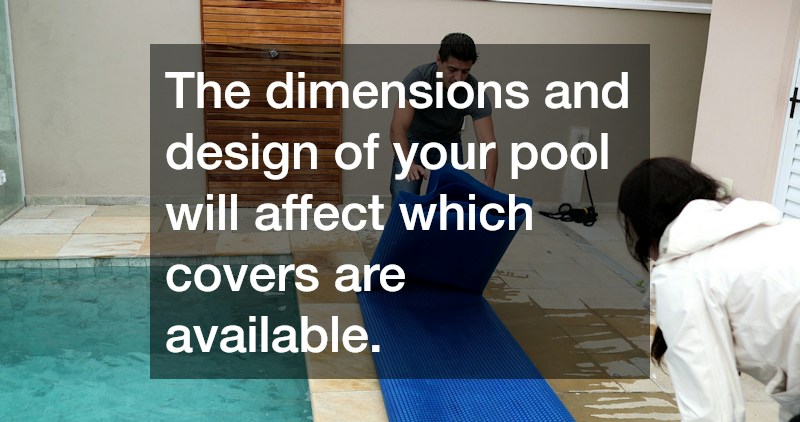
The dimensions and design of your pool will affect which covers are available. Standard rectangular pools may accommodate a wider selection of products, while curved edges, unusual shapes, steps, and built-in features can make fitting more complicated.
Accurate measurements are essential for achieving suitable coverage. A poorly fitted cover may leave areas exposed, collect water in unintended places, or become difficult to handle.
An inground pool cover company can assess the pool’s layout, identify potential fitting challenges, and recommend options that work with its dimensions. If you’re planning renovations or installing a new pool, consider the cover requirements early so the final result suits the entire space.
Compare Maintenance and Running Costs
The initial purchase price is only one part of the decision. Consider how much maintenance the cover requires, how long its materials are expected to last, and whether replacement components will be readily available.
Sun exposure, chemicals, handling, and storage can all affect a cover’s lifespan. Following the manufacturer’s care instructions can help protect the material and maintain its performance.
Automatic covers may offer convenience but can have additional servicing requirements. Manual covers may cost less initially, although you’ll need to be comfortable handling them regularly.
Request quotes that explain the product, installation requirements, warranty conditions, and any ongoing expenses. Comparing these details will give you a clearer picture of the long-term value of each option.
Choose a Cover That Suits Your Lifestyle
The best pool cover is one that meets your priorities and fits naturally into your routine. A solar cover may suit someone focused on heat retention, while an automatic system could appeal to a household that values convenience. Homeowners concerned about safety should investigate compliant safety covers alongside all required pool barriers.
Before committing, discuss your options with a reputable inground pool cover company and ask questions about suitability, maintenance, and installation. With the right information, you can choose a cover that helps keep your pool cleaner, supports more efficient maintenance, and makes enjoying your outdoor space easier throughout the swimming season.