Owning a home is one of the most rewarding financial and personal investments you will ever make, but it also comes with a continuous list of operational responsibilities. Every physical system in your residence—from the electrical wiring hidden behind the drywall to the structural framing beneath your feet—has a finite lifespan and requires periodic servicing. When a pipe suddenly ruptures at two o’clock on a Sunday morning, or your heating fails during an arctic cold snap, searching through online search engines for a service provider often leads to inflated emergency rates, poor craftsmanship, and unnecessary stress.
A far more effective approach is to build a trusted network of specialized trade professionals long before a crisis occurs. Treating your home’s operational needs like a managed healthcare system—where you maintain established relationships with qualified specialists—ensures your property remains safe, efficient, and valuable over the long haul. Having direct access to vetted, licensed trade experts allows you to address routine maintenance proactively, negotiate fair pricing, and secure priority dispatch during regional emergencies.
The primary challenge for most homeowners lies in knowing which specific trade specialists are essential to maintain on call, what specific qualifications they should possess, and how to spot early warning signs before minor issues balloon into massive home repair bills. This comprehensive guide walks through the essential trade specialists every homeowner should establish on their primary contact list, organized by the functional zones of your property.
The First Responders: Critical Utilities and Plumbing Maintenance
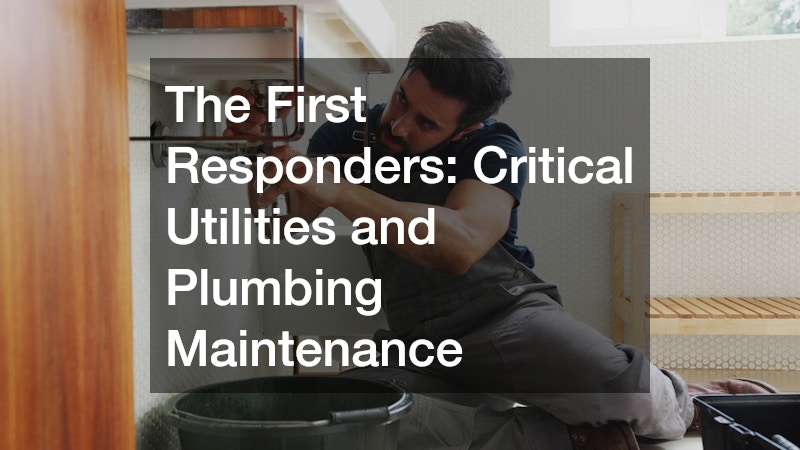
The most urgent home emergencies almost always involve water intrusion or electrical infrastructure risks. These failure modes carry high potential for immediate, catastrophic damage to structural framing, personal property, and occupant safety. Establishing immediate access to emergency utility experts is your first line of defense against sudden home depreciation.
Diagnosing Severe Main Line Clogs and Backups Before Flooding Occurs
Local plumbing systems rely on precise gravity slope and venting to move waste safely away from your living space. When a main sewer line becomes restricted by tree root intrusion, grease buildup, or structural pipe sagging, the resulting pressure back-up will seek the lowest available drain point in your home—typically a basement drain, shower pan, or ground-floor toilet.
Recognizing the warning signs of a failing main line early can save you thousands of dollars in water damage restoration. Watch for multi-fixture slowdowns, where flushing a toilet causes water to bubble up in the bath, or running a washing machine forces wastewater into adjacent sinks. When basic DIY plungers fail, relying on professional drain cleaners equipped with high-resolution sewer inspection cameras and commercial hydro-jetting machinery is critical. Hydro-jetting uses high-pressure water streams to thoroughly scour the interior walls of your pipes, removing stubborn grease accumulations and shearing off intrusive root systems without destroying the pipe infrastructure itself.
Homeowners should schedule a video line inspection every three to five years, particularly in properties with mature landscaping or homes built before 1980 that may still utilize cast iron or clay piping systems.
- Watch for multiple plumbing fixtures backing up simultaneously across different rooms.
- Listen for unexplained gurgling noises emitting from lower-level floor drains after running water appliances.
- Avoid using harsh chemical pipe treatments repeatedly, as caustic solutions can corrode older metal pipes and harm municipal treatment systems.
- Request a digital copy of the video camera inspection from your technician to maintain a visual history of your sewer pipe condition.
Managing Electrical Failures and Modernizing Breaker Panels
Electrical distribution systems operate quietly behind your walls, making them easy to ignore until a serious fault occurs. Modern homes consume significantly more electricity than properties designed just a few decades ago, driven by high-draw appliances, home automation systems, electric vehicle chargers, and central air conditioning. Overloaded circuits, loose terminal connections, and outdated wiring formats like knob-and-tube or aluminum branch wiring pose severe fire risks.
Partnering with licensed electrical contractors ensures your home’s electrical infrastructure remains compliant with changing national electrical codes. Professional electricians do far more than install light fixtures; they perform complete system load calculations, evaluate service entrance capacities, and install arc-fault circuit interrupters (AFCI) and ground-fault circuit interrupters (GFCI) that stop electrical fires and lethal shocks before they happen.
If your electrical panel relies on old fuse blocks or uses components from defunct manufacturers known for failure, arranging a panel upgrade to a modern 200-amp service should be a top priority. Regular thermal imaging inspections by a professional can also identify hidden hot spots in your wall cavities caused by resistance in loose wiring connections before they ignite nearby insulation.
- Check your main breaker panel annually for signs of rust, scorching, or physical warmth on individual breaker switches.
- Schedule a professional safety audit or appliance repair immediately if lights flicker consistently when major appliances kick on.
- Ensure all exterior outlets and wet-area receptacles in kitchens, bathrooms, and basements are protected by functioning GFCI devices.
- Upgrade outdated electrical service panels to accommodate modern high-draw electronics and prevent nuisance breaker tripping.
Climate, Comfort, and Hearth Specialists

Maintaining interior temperature control, managing humidity levels, and ensuring safe combustion exhaust are vital for occupant health and energy efficiency. Your heating and cooling apparatus operates for thousands of hours each year, making dedicated climate specialists essential for long-term comfort.
Selecting the Right System Size and Efficiency Rating for Year-Round Comfort
Central heating and cooling systems are complex, sealed-refrigerant loops combined with air distribution ductwork. An improperly installed or poorly sized cooling unit will struggle to manage indoor humidity, leading to clammy interior air, airborne mold spores, and unnecessarily high monthly utility bills. Oversized units cycle on and off too quickly, wearing out expensive compressors, while undersized units run constantly without reaching your desired setpoint.
When replacing or upgrading your climate control equipment, working with a certified specialist for an expert AC installation ensures that your system is sized correctly using precise heat load calculation protocols rather than rough rule-of-thumb guesswork. These calculations factor in your home’s square footage, wall insulation values, window orientation, and regional climate data.
Beyond initial setup, your climate control partner should perform annual spring and fall tune-ups. These preventative visits include cleaning condenser coils, inspecting blower motor belts, checking refrigerant levels, and testing condensate drain lines to prevent overflow damage inside your utility closets.
- Verify that your technician performs a formal calculation before recommending new cooling equipment capacities.
- Change high-efficiency air filters every one to three months depending on pet ownership and local air quality conditions.
- Keep the outdoor condenser unit clear of leaves, high grass, and landscaping debris to ensure proper airflow and heat exchange.
- Install a programmable or smart thermostat to reduce mechanical strain on your system when the home is unoccupied.
Inspecting Masonry, Flues, and Ventilation to Ensure Winter Safety
Fireplaces, wood-burning stoves, and gas inserts bring warmth and aesthetic appeal to a home, but they also introduce direct fire and carbon monoxide hazards if neglected. Creosote—a highly flammable byproduct of incomplete wood combustion—accumulates inside chimney flues over time. If allowed to build up, a high-heat fire can ignite the creosote, resulting in a dangerous chimney fire that can spread into the roof structure.
A qualified professional specializing in fireplace installation and chimney maintenance provides the technical expertise needed to keep hearth systems operating safely. They conduct detailed video inspections of internal flue liners to look for cracked clay tiles, crumbling mortar joints, or rusted metal liners that could allow toxic flue gases to leak into living areas. A tile company can also help you pick tiles for your home.
Whether you are converting an existing masonry firebox to a modern direct-vent gas insert or maintaining an active wood-burning setup, having an established hearth specialist ensures your system complies with strict local fire codes and clearance requirements.
- Schedule an annual chimney flue inspection and sweeping every autumn before lighting your first seasonal fire.
- Test all carbon monoxide detectors located on every level of your home monthly, particularly near sleeping quarters.
- Burn only seasoned hardwoods with low moisture content to minimize hazardous creosote accumulation inside the flue.
- Inspect the exterior chimney cap and spark arrestor regularly to prevent nesting animals and rainwater from entering the chimney system.
The Exterior Envelope: Roofing, Access, and Site Work
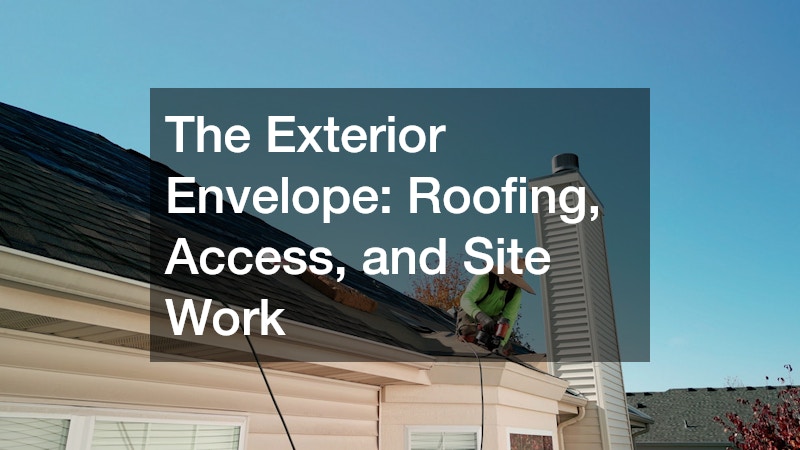
Your home’s exterior envelope serves as the primary barrier against rain, wind, ground moisture, and temperature extremes. Protecting this outer shell requires heavy-duty trades equipped for elevated work, heavy lifting, and precision earthmoving.
Auditing Roof Conditions and Spotting Hidden Leak Damage Early
Your roof is arguably the single most critical structural protective barrier on your property. Wind-driven rain, heavy snow accumulation, ultraviolet radiation, and falling tree branches constantly degrade roofing materials. A small, undetected roof leak can quietly rot ceiling joists, ruin attic insulation, foster toxic mold growth, and cause thousands of dollars in drywall damage long before a visible drip drips onto your living room floor.
Developing an ongoing relationship with a reputable roofing company gives you access to professional roof inspections after severe weather events. Roofers can identify subtle damage that an untrained eye will miss from the ground, such as lifted shingle tabs, compromised flashing around chimneys and vent pipes, or missing granules in roof valleys.
When complete replacement becomes necessary, a trusted roofing partner will help you navigate complex material choices, ranging from architectural asphalt shingles to standing seam metal systems, while ensuring proper attic intake and exhaust ventilation are integrated into the design. A local porch builder can help with porches and patios.
- Arrange a professional roof inspection every two years and immediately following major hail or windstorms.
- Keep gutters and downspouts clear of leaves and debris to prevent water from backing up under the lower shingle edges.
- Check your attic space periodically for daylight showing through the roof boards or dark water stains on the rafters.
- Ensure all roof valley flashings, wall step flashings, and plumbing vent boots are tightly sealed against rain intrusion.
Resolving Mechanical Track Misalignments and Heavy Overhead Door Risks
Garage doors are frequently the largest and heaviest moving mechanical objects in any residential structure. Operating under immense physical tension provided by high-torque torsion or extension springs, a malfunctioning garage door poses serious property damage and personal safety risks.
Relying on a professional garage door company for routine service and repairs is crucial for maintaining safe operation. Attempting to repair or adjust high-tension springs without specialized winding bars and professional mechanical training can lead to severe injuries. Expert technicians can realign bent tracks, replace worn nylon rollers, adjust safety sensor eye alignments, and balance the door’s weight so the motorized opener operates smoothly without overheating.
Annual lubrication of springs, hinges, and bearings, combined with a balance test, ensures your home’s primary vehicle and entry access point remains functional and secure against forced entry.
- Perform a monthly safety test on your garage door opener by placing a solid block of wood under the door path to verify auto-reversal.
- Avoid attempting to adjust or loosen torsion springs and bottom brackets yourself; these components are under dangerous physical tension.
- Inspect the lifting cables for fraying, rust, or snapping hazards along their anchor points.
- Apply a silicon-based garage door lubricant to rollers, tracks, and springs twice a year to maintain quiet, smooth operation.
Preparing Site Drainage, Grading, and Foundation Footings Safely
Proper management of the land surrounding your home is essential for structural stability. Expansive clay soils, poor surface drainage, and improper ground slope can cause water to collect around your foundation walls. Over time, hydrostatic pressure will crack concrete foundations, flood basements, and cause severe structural settling.
When major land contouring, foundation excavation, driveways, or deep utility line installations are required, hiring an experienced excavation company is mandatory. Professional earthmoving contractors possess the heavy machinery, laser leveling tools, and soil mechanics knowledge needed to reshape ground contours safely. They ensure that surface runoff is directed away from building structures while avoiding underground utility strikes.
Before adding a structural home extension, installing deep retaining walls, or correcting severe yard pooling issues, a professional site excavation assessment guarantees that subsurface soil conditions are properly stabilized and graded to support long-term loads.
Building Long-Term Relationships for Peace of Mind

Managing a home does not have to feel like a constant series of unexpected crises. By shifting from a reactive mindset to a proactive strategy, you can protect your financial investment, preserve your property’s value, and keep your household running smoothly through every season.