This article will cover the frequently asked questions that roofers encounter, providing insights and helpful information for homeowners and property managers. Roof maintenance is a crucial aspect of home ownership that often gets overlooked. Understanding the basic concerns and questions related to roofing can save you time and money in the long run.
This guide aims to equip you with the knowledge to maintain your roof effectively. Whether you are managing properties or taking care of your own home, knowing when to repair or update roofing is essential.
What Are the Signs That My Roof Needs Repair?
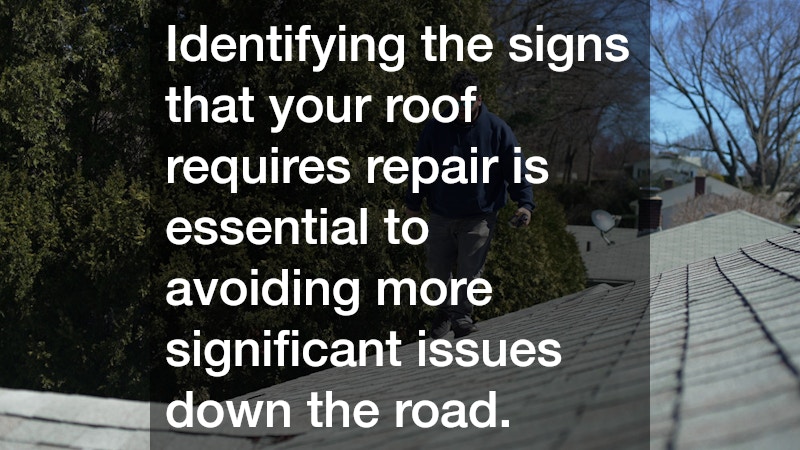
Identifying the signs that your roof requires repair is essential to avoiding more significant issues down the road. One of the most telling signs of roof damage is water stains on your ceilings, which indicate a leaky roof. The presence of cracked, curled, or missing shingles also suggests that your roof may need professional attention. If you notice granules from shingles accumulating in your gutters, this could be a sign that your shingles are losing their effectiveness. Additionally, seeing daylight through roof boards in your attic is a significant warning sign that there may be severe damage.
Regular inspections are vital to catching these issues early. Many experts recommend inspecting your roof at least twice a year, in the spring and fall, to identify potential problems before they worsen. During inspections, take note of any signs of sagging, which could indicate structural issues needing immediate attention. It’s also important to check for moss or algae growth, which can be indicators of moisture problems. By staying proactive, you can extend the life of your roof and avoid expensive repairs.
It’s important to remember that not all roofing problems are visible from the ground. A professional roofing contractor has the training to spot subtle signs of damage that the average homeowner might miss. By hiring an expert, you ensure a thorough examination of your roof’s condition and get professional advice on needed repairs. Addressing problems promptly can prevent minor issues from turning into significant leaks or structural damage. Seeking repairs at the first sign of trouble is always recommended to maintain the integrity of your home.
How Long Will My Roof Last?
The lifespan of a roof largely depends on the materials used and the environmental conditions it is exposed to. Asphalt shingles, which are common in residential areas, typically last between 20 to 30 years. Metal roofs, while more expensive, can last upwards of 50 years when properly maintained. Tile roofs, often seen in warmer climates, may last between 50 to even 100 years, depending on the quality of the tile and the installation. To ensure these materials reach their potential lifespan, regular maintenance is crucial.
Climate plays a significant role in the longevity of your roof. For instance, roofs situated in areas with extreme weather conditions, such as hail, high winds, or heavy snowfall, may experience a shortened lifespan. Sun exposure can also lead to the deterioration of roofing materials over time. Ensuring proper ventilation and insulation can mitigate some of these climate-related issues, extending the longevity of your roof. Regular maintenance and prompt repair of damage are key to maximizing your roof’s lifespan.
Another critical factor is the quality of the installation. Even the best materials will not last if they are not installed correctly. Hiring a reputable roofing contractor is essential to ensure your roof is installed to industry standards. Proper installation and regular maintenance, including cleaning gutters and removing debris, can greatly extend the life of your roof. By focusing on these elements, homeowners can avoid premature roof replacement while ensuring their home remains protected.
What Are the Best Roofing Materials for My Home?
Choosing the best roofing material for your home involves considering several factors, including climate, budget, and aesthetic preferences. Asphalt shingles are a popular choice for many homeowners due to their cost-effectiveness and good longevity. For those looking for a more durable option, metal roofing offers an impressive lifespan and can withstand severe weather conditions. Tile and slate are luxurious options with great durability but come with a higher price tag. It’s crucial to balance what you want in terms of cost, appearance, and performance.
Different roofing materials also offer various energy efficiencies. For example, metal roofs are excellent for reflecting heat away from your home, which can help reduce cooling costs during the summer. On the other hand, materials like slate and tile provide excellent insulation properties, making them a good choice for homes in areas with fluctuating temperatures. Considering the impact on your energy bills is crucial when selecting a roofing material. Making an informed decision on roofing materials can result in long-term savings for homeowners.
Understanding these common questions can help homeowners make informed decisions about their roofing needs and ensure the longevity and safety of their roofs. Taking proactive steps, such as regular inspections and maintenance, is key to catching problems early and avoiding costly repairs. Knowledge of the best materials and practices helps you choose the right solutions for your home or properties. By investing time and resources into understanding and addressing roof-related questions, homeowners safeguard their investment and enhance their living environment. This knowledge empowers property owners to maintain their roofs effectively, ensuring their homes remain secure for years to come.