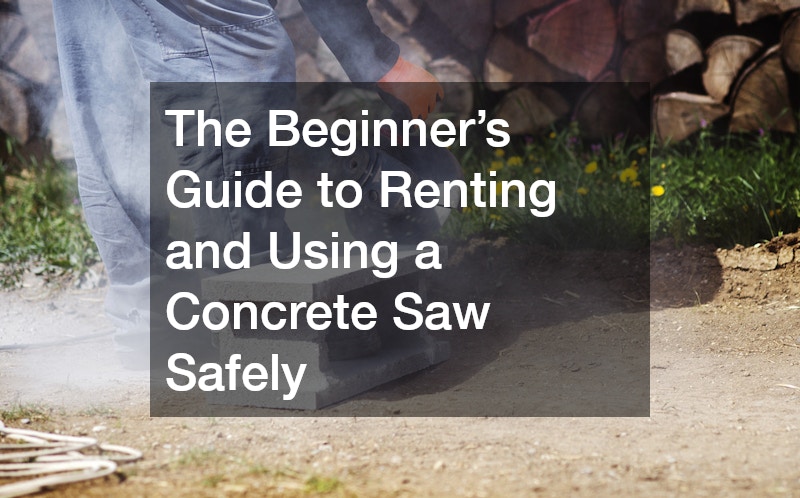
Taking on a DIY project involving concrete, asphalt, or brick cutting can be intimidating for beginners. Whether you are removing a patio, cutting a plumbing trench, or resizing retaining wall blocks, standard power tools lack the strength to slice through cured masonry. Utilizing specialized heavy machinery is essential for achieving clean cuts without damaging surrounding structures or injuring yourself. For most homeowners and occasional contractors, purchasing a specialized concrete saw is financially unviable due to high upfront costs and maintenance requirements. Instead, sourcing professional-grade machinery through an equipment rental provider is the most practical and cost-effective approach. However, operating a high-powered diamond-blade saw requires serious preparation, clear understanding of mechanical controls, and an unwavering commitment to safety protocols.
This guide provides beginners with the foundational knowledge necessary to select the correct saw, prepare the job site, and execute cuts safely.
Choosing the Right Concrete Saw
Before visiting a hardware store, you must identify the specific demands of your project. Concrete saws generally fall into two primary categories: handheld cut-off saws and walk-behind floor saws. Handheld models are versatile, lightweight, and ideal for smaller tasks such as cutting brick, scoring walls, or working in confined spaces. These units are typically powered by electricity, battery packs, or two-stroke gas engines. Conversely, walk-behind saws are heavy-duty machines designed for long, continuous horizontal cuts on driveways, sidewalks, and concrete slabs. When evaluating your equipment rental options, consider the required cutting depth, material hardness, and job location. Indoor projects require electric or pneumatic saws to prevent lethal carbon monoxide buildup, whereas outdoor tasks benefit from the power and mobility of gas-powered engines. Understanding these distinctions ensures you secure a machine capable of handling your specific workload safely and efficiently.
Navigating the Rental and Reservation Process
Once you determine the saw required, navigating the equipment rental process requires careful attention to detail and proactive communication with the supplier. At the rental desk, discuss your project specifics, including slab thickness and whether you have access to a pressurized water source. Concrete cutting generates intense heat and friction, making diamond blades mandatory for clean slicing. Most centers offer both wet-cutting and dry-cutting blades. Wet cutting is recommended for beginners because the water stream cools the blade, extends its lifespan, and suppresses crystalline silica dust. While finalizing your equipment rental agreement, ask the staff to conduct a thorough pre-rental inspection and an operational demonstration. Verify that the blade guard functions properly, check that the throttle responds smoothly, and confirm you understand the starting procedure before transporting the machine to your job site.
Essential Safety Gear and Site Prep
Operating a high-speed concrete saw exposes users to physical hazards, including high-decibel noise, flying debris, and crystalline silica dust. Before initiating any cutting task, equip yourself with comprehensive personal protective equipment. Standard safety gear includes ANSI-rated goggles, a full-face shield, heavy-duty work gloves, steel-toed boots, and hearing protection. To guard against lung damage caused by inhaling silica dust, wear an N95 or P100 respirator mask whenever cutting dry concrete. Many equipment rental suppliers offer supplemental safety bundles that include high-grade respirators and portable water tanks designed specifically for dust suppression. In addition to personal safety gear, thorough job site preparation is critical for accident prevention. Clear the cutting area of obstacles, loose rocks, and trip hazards. Use chalk to draw precise cutting lines on the concrete surface, and ensure bystanders remain at a safe distance throughout the project duration.
Step-by-Step Cutting Techniques
When ready to begin cutting, start the saw while the blade is raised off the ground to prevent accidental kickback. Allow the engine to reach operating speed before making contact with the surface. Introduce the spinning diamond blade to the concrete slowly and let the machine do the work; forcing or pushing the saw excessively can cause the blade to warp, overheat, or shatter violently. Make a shallow guide cut approximately one inch deep along your marked chalk line before completing a second pass to achieve full depth. Maintain a firm, two-handed grip on the handles at all times, and never attempt to change cutting directions while the blade is engaged in the slot. If you need to adjust your line, turn off the engine and wait for the blade to come to a complete stop before lifting the machine out of the cut.
Mastering Safe Concrete Cutting
Renting and operating a concrete saw does not have to be an intimidating ordeal for DIY beginners. By taking the time to select the right tool, wearing proper safety gear, and practicing patient cutting techniques, you can execute clean, professional-grade cuts safely. From your initial equipment rental reservation to the final cut, prioritizing safety ensures your home improvement project is a resounding success.