
A true luxury remodel is far more than a collection of expensive materials and premium appliances. It is a masterclass in visual storytelling. When you walk into a masterfully designed space, you should not just see wealth; you should feel a distinct, intentional mood. True luxury is achieved when a home feels deeply curated, entirely cohesive, and intimately reflective of the person who lives there. It is an environment where every shadow, texture, and sightline has been anticipated and designed.
The ultimate trap of high-end renovations is what designers call the “showroom effect.” This happens when a homeowner falls in love with individual, stunning pieces in isolation. When these elements are thrown together without a unifying architectural anchor, they fight for dominance. The space becomes visually loud, fragmented, and exhausting. To achieve a flawless stylized aesthetic you must reverse-engineer your project. You cannot layer an aesthetic onto a finished room like a coat of paint. You must embed your core visual identity into the bones of the structure before a single hammer swings or a single wall is opened.
Establishing Your Aesthetic Anchor: The Architecture and Flow
Every successful luxury renovation begins with an honest assessment of spatial volume, structural rhythm, and the ways in which light moves through a home. If you want to cultivate a specific aesthetic, you have to ensure the foundational architecture can support it. For example, trying to force an ultra-minimalist, industrial loft aesthetic into a low-ceilinged, traditional colonial home without modifying the layout will always feel forced. You must establish your aesthetic anchor at the structural level.
One of the most effective tools in the designer’s kit is the 70/30 rule. This guiding principle dictates that to keep a home from looking like a sterile period-piece museum, you should dedicate 70% of your structural design to your primary aesthetic and 30% to a complementary transitional style. This allows the home to feel alive and evolved rather than rigid. If your primary style is sleek and contemporary, that 30% might manifest as organic, rough-hewn wooden architectural columns or a vintage limestone fireplace surround.
When planning structural alterations to define your home’s flow, consider these actionable steps:
- Audit Your Spatial Scale: High-volume rooms demand grand statements, whereas intimate styles thrive on dropped ceilings, cozy alcoves, and sophisticated soffits. Match your ceiling treatments to your intended mood.
- Create Sightline Continuity: Ensure that as you stand in one zone of the house, the view into the next zone feels like a natural continuation of the design narrative. Doors and hallways should frame the next room like a gallery piece.
- Expand the Architectural Footprint: When the existing footprint restricts your design goals, a strategic home extension can provide the physical volume necessary to execute grand architectural visions, such as a soaring double-height great room or an expansive main-floor wing.
- Introduce Specialized Light Enclosures: Light is the ultimate luxury material. Integrating dedicated sun rooms into your floor plan creates a spectacular architectural transition zone that bathes your interior spaces in natural light while acting as a dedicated sanctuary for biophilic design elements.
By manipulating the physical boundaries of your home first, you establish a canvas that makes the subsequent design choices feel inevitable and natural rather than decorative.
The Heart of the House: Crafting a Cohesive Culinary Canvas

The kitchen is no longer just a place where meals are prepared; it is the social center of the modern luxury home and a major showcase for your personal style. Because kitchens are naturally filled with utilitarian items, the challenge of high-end kitchen design is masking the chaos of utility to let your stylized aesthetic shine.
A major trend in elite properties is the separation of the kitchen into a “show kitchen” and a “back kitchen” or scullery. The show kitchen is designed around clean lines, symmetrical layouts, and flawless presentation, featuring integrated appliance panels that match the cabinetry perfectly. All the heavy prep work, dishwashing, and small appliance storage are relegated to the secondary scullery. This layout ensures that your main entertaining space remains an uncompromised design statement even during a large dinner party.
Achieving this level of functional elegance requires expert guidance and meticulous execution. Consider the following approaches to elevate your culinary space:
- Engage Specialist Visual Planners: Designing a luxury kitchen requires a deep understanding of spatial ergonomics and material limitations. Utilizing premium kitchen design services allows you to map out custom-milled cabinetry, hidden pocket doors, and complex lighting layers that standard contractors might overlook.
- Establish a Visual Anchor: Every high-end kitchen needs a focal point. This could be a dramatic, custom-fabricated range hood made of hand-hammered metals, or an island clad entirely in a singular, breathtaking block of natural stone.
- Prioritize Material Precision: The surfaces you touch every day should be as technically perfect as they are beautiful. Investing in a professional kitchen countertop installation ensures that rare quartzites, marbles, or porcelain slabs are book-matched flawlessly, meaning the natural veins of the stone flow seamlessly across seams and down waterfall edges.
- Curate a Tactile Palette: Balance hard surfaces with soft textures. If your countertops are highly polished, consider matte, wire-brushed wood finishes for your island cabinetry or a textured plaster finish on the surrounding walls to soften the room’s acoustics and visual weight.
When your kitchen’s functional elements are seamlessly woven into your chosen design theme, the room ceases to feel like a workspace and instead becomes an elegant extension of your living environment.
The Sanctuary Space: Translating Personal Style into Bathrooms
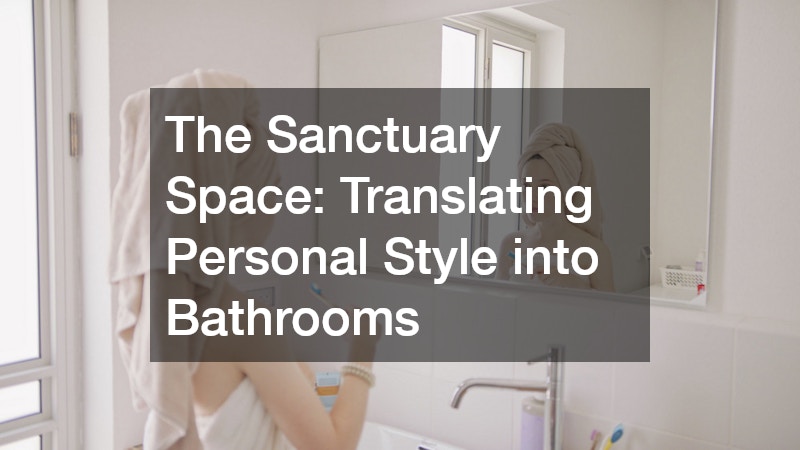
If the kitchen is the energetic heart of the home, the primary bathroom is its private emotional sanctuary. In luxury remodeling, the goal for a bathroom is to move away from the traditional, institutional look of tiled wet spaces and move toward a “furniture-forward” living space that happens to have plumbing.
To create an authentic wellness retreat, look at your bathroom through the lens of a boutique luxury hotel. This means prioritizing floor plans that emphasize open space, hidden water closets, and standalone architectural features. Instead of standard built-in vanities that run wall-to-wall, designers are opting for floating units or repurposed antique chests fitted with custom stone basins to create a sense of lightness and history.
To make your bathroom feel like an intentionally designed oasis rather than a generic collection of tile, apply these design principles:
- Specify a Statement Centerpiece: The vanity dictates the design era of the entire room. Select a custom bathroom vanity featuring high-end details like integrated stone sinks, reeded wood paneling, or unlacquered brass hardware that will patina beautifully over time.
- Layer the Lighting Mindfully: Avoid harsh overhead recessed lights over mirrors. Instead, install warm, dimmable sconces at eye level to minimize shadows, and add low-voltage LED toe-kick lighting beneath vanities for a subtle, floating nighttime glow.
- Incorporate Textural Contrast: Avoid tiling every wall from floor to ceiling unless the aesthetic explicitly demands it. Instead, pair premium wet-area tiles with waterproof plaster walls, rich wood paneling, or luxury waterproof wallcoverings.
- Embrace Sustainable Restoration for Key Features: Not every element needs to be brand new to feel luxurious. If your home possesses a vintage cast iron or clawfoot tub with beautiful historical lines, investing in expert bathtub refinishing can restore its pristine surface while allowing you to keep a piece of authentic character that grounds a classic or eclectic aesthetic.
When you treat the bathroom with the same decorative respect as a living room or bedroom, it transforms into a highly personalized space that offers true mental rejuvenation.
Framing the View: Architectural Openings and External Shells
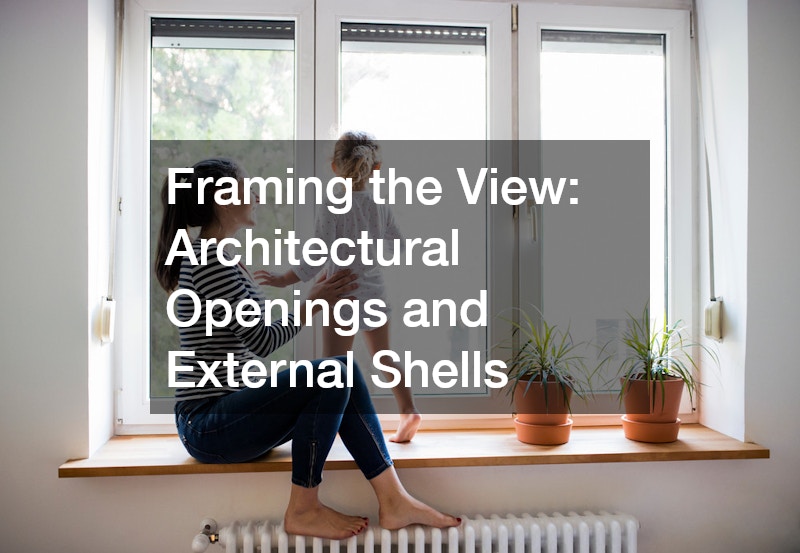
A common mistake in luxury remodeling is focusing entirely on the interior surfaces while leaving the exterior envelope of the home unchanged. A stylized aesthetic must be holistic; it should begin the moment someone drives up to the property and continue seamlessly through the front door. The windows, exterior doors, and cladding materials act as the critical connective tissue between your interior sanctuary and the outside world.
Think of your windows as architectural frames for the landscape outside. In modern, minimalist, or biophilic designs, maximizing the glass pane area and minimizing the frame width turns the changing seasons into living artwork for your interior spaces. Conversely, if you are pursuing a classic European or traditional estate aesthetic, the geometry of your window grilles and mullions must perfectly match the historical proportions of that style.
To ensure your home’s external features perfectly complement your internal design vision, keep these tips in mind:
- Curate Your Thresholds: Your front entry door is the initial handshake between your home and your guests. Opt for custom wood pivots, oversized iron doors, or minimalist steel-and-glass entries that hint at the design language found inside.
- Align Exterior Profiles with Interior Styles: Partner with elite window and door companies that offer highly customizable architectural profiles. This allows you to select slim-profile black steel windows for a contemporary industrial look, or warm, clad-wood double-hung windows for a timeless estate feel.
- Harmonize External Materials: The texture of your home’s exterior should reflect its architectural style. If you are converting a dated, mismatched exterior into a clean Mediterranean villa or a sleek modern masterpiece, working with experienced stucco over siding contractors can completely rewrite the home’s visual narrative, providing a smooth, monolithically beautiful exterior canvas.
- Plan Sightlines from the Inside Out: Before finalizing window placements, stand in your intended room layouts. Ensure that window openings align beautifully with your main furniture arrangements so that natural light hits your living spaces optimally throughout the day.
By managing the exterior shell with the same stylistic precision as the interior, you create a sense of architectural integrity that makes the entire property feel unified and complete.
The Finishing Touches: Cohesive Color and Micro-Renovations
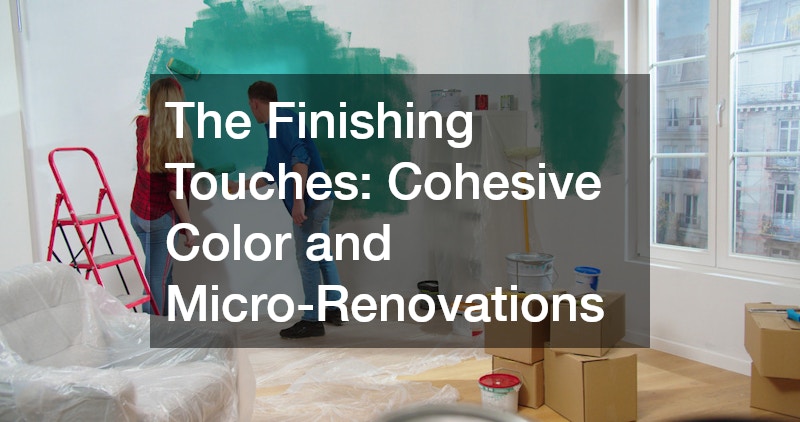
The final five percent of a luxury remodel is often the most critical. You can have magnificent architecture, gorgeous stone countertops, and custom windows, but if the final layer of paint, wall texture, and accessory integration misses the mark, the illusion of effortless luxury evaporates. This stage is where you tie every independent element together into a final, harmonious chord.
Color theory in a luxury home goes far beyond simply choosing a trendy palette. It requires a sophisticated understanding of how paint pigments interact with both natural sunlight and your internal artificial lighting design. For instance, a high-end level-5 smooth drywall finish is necessary for modern spaces because any subtle imperfection in the wall will be instantly exposed by sleek, directional LED art lighting. Furthermore, luxury spaces lean heavily on tactile depth, using specialized wall finishes like Roman clay, Venetian plaster, or fine textiles to create subtle movement on flat surfaces.
To achieve flawless execution during this final phase of your renovation, focus on these details:
- Insist on Flawless Surface Preparation: High-end paints and deep, moody colors require perfectly smooth backdrops. Hiring an artisan painting service that understands the nuances of skim-coating, precise masking, and the application of delicate matte or high-gloss lacquer finishes is essential to getting a museum-quality look.
- Maintain Design Continuity Across All Zones: A common mistake is completely renovating the main living areas while leaving secondary rooms untouched. If a full demolition isn’t possible for every room, executing a targeted bathroom renovation in the secondary powder rooms using the same color families and hardware finishes as the master suite ensures your design language is never interrupted.
- Curate Your Hardware and Switches: Replace standard plastic outlet covers and light switches with solid brass, patinated bronze, or flush-mounted screwless plates that match your room’s metal accents.
- Integrate Concealed Technology: Ensure that smart home keypads, speaker grilles, and automated window shades are recessed or color-matched to the walls so they disappear into the background, preserving the clean lines of your aesthetic.
When the micro-details of a home are executed with the same intensity and focus as the macro-structural changes, the result is an environment that feels polished, deeply intentional, and utterly complete.
Embarking on a luxury remodeling journey is a profound investment in your daily life, your well-being, and your personal expression. The properties that stand out over time are never those that simply followed the latest design trends or utilized the most expensive catalog items. Rather, they are the homes that showcase a clear, uncompromised stylistic vision executed with patience, precision, and an unyielding commitment to cohesion.
By starting your project at the structural level, partnering with specialized design professionals, and carrying your aesthetic choices all the way from the exterior facade down to the smallest light switch plate, you avoid the discordant pitfalls of disjointed design. Take your time during the planning phase, protect your core aesthetic anchor fiercely, and enjoy the process of watching your personal style transform into a living, structural reality.