Your home’s roof is its first defense against the elements. Even durable roofs need replacing as they show wear over time. This guide covers identifying roof replacements, understanding materials, navigating the replacement process, managing costs, and selecting contractors. Timely replacements protect your home and prevent unexpected expenses.
An informed homeowner is empowered.
1. How do I know if my roof needs replacing?
1.1. Age of the Roof
A roof’s age can indicate the need for replacement. Asphalt shingles last 20-25 years, while tiles and metal last longer. As roofs age, they risk leaks and structural issues. Regular inspections towards the end of the roof’s lifespan can determine if replacement or repair is needed.
1.2. Visible Damage
Leaks and cracks signal the need for roof replacement. Post-storm leaks show compromised protection. Address issues promptly to prevent interior damage. Regular maintenance prolongs roof life.
1.3. Increasing Energy Bills
Rising energy bills may indicate poor roof insulation or ventilation. Inefficient roofs increase heating/cooling costs. Well-maintained roofs improve energy efficiency.
1.4. Moss or Algae Growth
Moss and algae on roofs indicate potential problems. Moss holds moisture, degrading materials, while algae slick surfaces can cause structural issues. Prevent these by ensuring proper ventilation and cleaning.
1.5. Professional Inspections
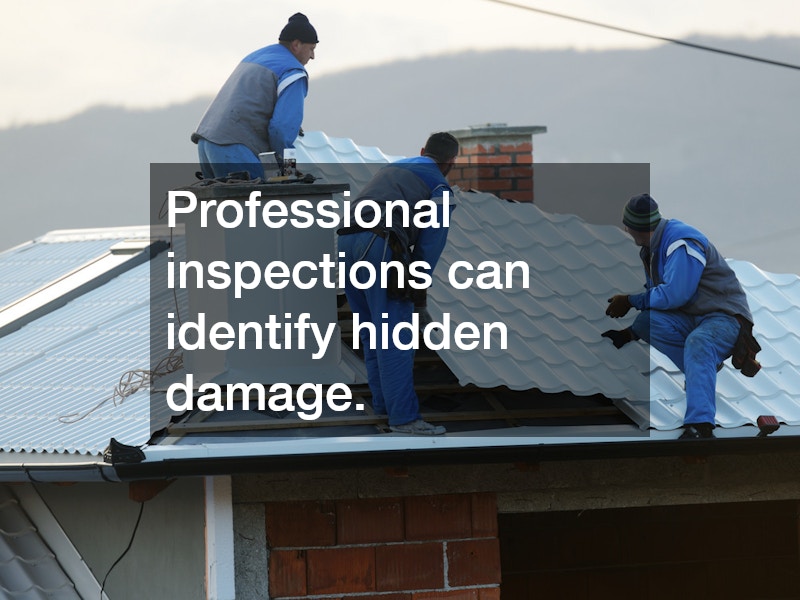
Professional inspections can identify hidden damage. Experts use specialized tools to assess roof condition. Routine inspections, especially on older roofs, protect home integrity and offer unbiased assessments.
2. Types of Roofing Materials
2.1. Asphalt Shingles
Cost-effective and easy to install, asphalt shingles offer design flexibility but require frequent replacement. Proper installation extends their lifespan.
2.2. Metal Roofing
Durable with a 40-70 year lifespan, metal roofs are energy-efficient and low maintenance. Their upfront cost is offset by longevity and savings.
2.3. Tile Roofing
Clay or concrete tiles offer heat resistance and fire protection. Heavy yet durable, they last over 100 years if properly maintained. Installations require professional expertise.
2.4. Wood Shakes and Shingles
Providing a rustic appearance, wood requires regular maintenance and may not suit all climates. It offers natural allure with certain trade-offs.
2.5. Synthetic or Rubber Roofing
Lightweight and weather-resistant, synthetic roofing is durable and eco-friendly, gaining popularity for its innovation in aesthetics and performance.
3. Roof Replacement Process
3.1. Initial Inspection
Comprehensive inspections identify issues affecting roof performance. Results guide repair and material selection, providing a condition report and action plan.
3.2. Planning and Estimation
Contractors collaborate with homeowners on timelines, budgets, and goals. Accurate measurements ensure reliable cost estimates and a smooth construction process.
3.3. Selecting Materials
Critical for meeting expectations, materials selection balances durability, aesthetics, and budget. Contractors guide choices to fit needs and climate conditions.
3.4. Removing Old Roofing
Old roof removal prepares for new installation by stripping materials and repairing damage. Ensuring property protection during removal is essential.
3.5. Installing the New Roof
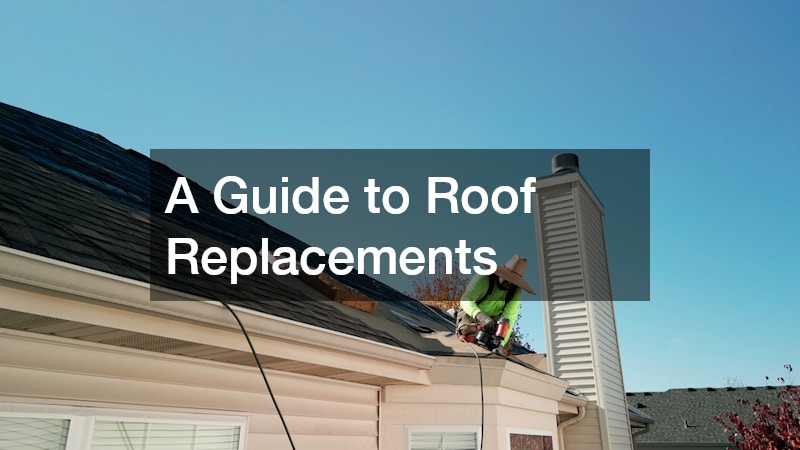
Installation involves protective underlayment and precise material placement. Final inspections ensure all components are correctly installed, enhancing home appeal and performance.
4. Roof Replacement Costs
4.1. Material Costs
Material costs vary, with durable options like tile and metal at higher price points. Balancing initial costs with long-term savings is crucial.
4.2. Labor Costs
Labor costs depend on location, roof design complexity, and materials. Complex roofs require more expertise, affecting prices.
4.3. Additional Costs
Consider permit fees, removal/disposal expenses, and unforeseen repairs when budgeting. Awareness prevents budget overruns.
4.4. Financing Options
Financing options, such as home equity loans, make investments manageable. Comparing offers helps find the best solution for your situation.
4.5. Cost-Saving Tips
Schedule off-season projects, seek multiple quotes, and select materials eligible for rebates to reduce costs. Regular maintenance prevents expenses.
5. Hiring a Roofing Contractor
5.1. Credentials and Certifications
Verify contractor licenses and certifications for assurance of industry-standard work. Insurance and bonding protect against liabilities.
5.2. Reviews and References
Reviews and client references reveal a contractor’s reputation and work quality. Negative reviews or hesitance for references are red flags.
5.3. Written Estimates
Obtain clear estimates covering all costs to prevent misunderstandings. Compare multiple estimates to ensure transparency and budget accuracy.
5.4. Warranty and Guarantees
Clarify warranty coverage, duration, and conditions. Strong warranties indicate contractor confidence and ensure long-term satisfaction.
5.5. Communication and Professionalism
Choose contractors with clear communication and professionalism. Poor communication is a red flag. Professionalism ensures smooth project execution.
Roof replacement is a significant investment. This guide equips homeowners to identify when replacements are necessary, choose materials wisely, manage costs, and hire qualified contractors. Understanding roof systems and taking proactive steps enhances home performance and value.