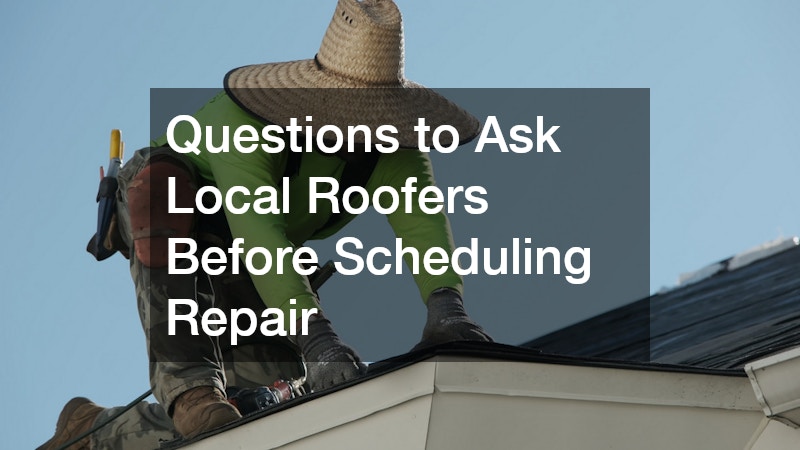
Before scheduling a roof repair, it’s essential to equip yourself with the right questions to ensure you hire a qualified and trustworthy roofer. This article explores the key questions you need to ask before making your decision.
What is Your Experience and Expertise?
Years in the Business
Understanding a roofer’s experience with roof repairs and replacements begins with knowing the number of years they have been in business. This can be a strong indicator of their reliability and stability. Experience is not just about the time in the trade, but also about the range and complexity of projects handled.
Established roofers are likely to have faced a variety of challenges, equipping them with the skills to handle your repairs effectively. Having years of experience also suggests a certain level of customer satisfaction, as longevity in such a competitive market comes from a solid reputation.
Types of Roofs Handled
Different roofing materials and structures require unique skill sets and techniques. It’s crucial to ask potential roofers about their experience with your specific type of roof. Whether it’s shingles, tiles, or metal roofing, ensure they have expertise in that area. A roofer specializing in your roof type is more likely to know potential weak points and common issues, resulting in better quality workmanship. By confirming their specialty, you ensure your roof gets the specific care it requires.
Special Qualifications or Certifications
While years in the business offer insight into a roofer’s experience, certifications and qualifications provide evidence of their expertise. Some roofers undergo rigorous training to earn certifications that speak to their proficiency in certain roofing techniques or materials. These credentials, often from manufacturers or trade organizations, ensure that the roofer is trained to handle your roofing system properly. Certification might also be required to honor manufacturer warranties, adding an essential layer of quality assurance. Thus, a certified roofer adds value and peace of mind to your repair project.
Training and Continuous Education
The roofing industry, like many others, is continuously evolving with new technologies and methods. It is valuable to know if the roofer has ongoing training programs in place for their team. Staying updated with the latest in roofing innovations indicates a commitment to excellence. It is not only about learning new techniques but also adhering to modern safety standards and energy-efficient practices. A roofer dedicated to continuous education is less likely to use outdated methods, ensuring superior results for your roof.
References and Testimonials
One of the most effective ways to gauge the quality of a roofer’s work is through their past clients. Ask for references or check online testimonials to get an idea of what you can expect. Happy clients will likely provide glowing reviews, while issues in service or craftsmanship can also surface through testimonials. Even beyond references, look into their reputation in the local community and their involvement in local projects. A strong portfolio of satisfied customers speaks volumes about their dedication and capability.
Can You Provide a Written Estimate?
Breakdown of Costs
A written estimate is a fundamental part of any roofing repair discussion. It allows both parties to agree on the scope and cost of the work beforehand. Request an itemized list of materials, labor, and any additional costs, along with their respective rates. This transparency can prevent any misunderstandings or hidden costs that might arise later. Ensure the estimate covers all potential aspects of the repair, reducing the risk of surprise expenses.
Comparing Estimates with Competitors
Obtaining estimates from multiple roofers offers a clearer picture of the typical market rates for your repair. By comparing quotes, you can identify any outliers that significantly overcharge or undercut. However, the cheapest estimate isn’t always the best choice since it might exclude essential services or use lower-quality materials. Assess the value offered in each estimate comprehensively, considering both cost and quality. Informed comparisons help make a balanced decision catering best to your budget and needs.
Materials and Labor Costs
The two primary components of a roofing estimate are materials and labor costs. The quality of materials significantly impacts the longevity and effectiveness of your roof repair. Ensure the estimate provides detailed information about the brands and types of materials to be used. Simultaneously, understand how labor costs are calculated – whether on an hourly basis or a flat rate based on the job scope. Both these factors combined should reflect the fair wages and quality you expect from professional work.
Payment Terms and Conditions
Before work begins, it’s crucial to clarify payment terms with your local roof repair service. Discuss the method and schedule of payments to avoid future disputes. Some roofers may require a deposit upfront, while others might bill upon project completion. Additionally, verify if there are any fees for late payments or discounts for early settlement. Clearly outlined terms ensure a smooth transaction and align expectations between both parties.
Frequency of Cost Changes
Roofing projects can sometimes encounter unforeseen circumstances that affect costs. It’s important to discuss how price adjustments will be communicated and agreed upon. Ask the roofer if any costs might be variable and under what conditions. Transparent communication regarding potential cost changes helps manage expectations and prevents future disputes. This proactive approach ensures a trust-based relationship and fewer financial surprises as the project progresses.
Do You Offer Warranties for Your Work?
Types of Warranties Available
Warranties are critical in ensuring the longevity and quality of a roofing job. Request detailed information on the types of warranties each roofer provides. Some roofers may offer labor warranties covering workmanship issues, while others might include material warranties. Additionally, inquire about extended warranty options that might be available. A roofer offering comprehensive warranties demonstrates confidence in their work and materials used.
Duration of Warranties
The length of a warranty provides insight into the projected lifespan of the repair. Discuss with the roofer how long their workmanship and materials are guaranteed. Longer warranties typically indicate higher quality service or materials. However, ensure you understand what conditions or criteria must be met for the warranty to remain valid. Long-term warranties safeguard your investment and give peace of mind.
Warranty Claims Process
Understanding the claims process is crucial before agreeing to a roofer’s warranty. Ask what steps need to be followed if issues arise and how responsive they are to warranty claims. It’s essential to know whether repairs under warranty are handled directly by the roofer or outsourced. Make sure the process is straightforward and doesn’t involve excessive paperwork or high fees. A clear and fair claims process further enhances your security and trust in the contractor.
Limitations or Exclusions
All warranties come with specific terms and conditions. Discuss with the roofer what the exclusions and limitations of their warranty are. It’s important to be aware of any scenarios that void warranty coverage, such as homeowner negligence or natural disasters. Understanding these terms prevents potential misunderstandings or disappointments when attempting repairs. A transparent explanation of limitations reinforces trust and helps in dependable decision-making.
Manufacturer vs. Contractor Warranties
Some roofing components may come with separate manufacturer warranties. Differentiate between these manufacturer warranties and contractor warranties to know what’s covered by each. Manufacturer warranties usually cover defects in roofing material, while contractor warranties are for labor. Combining both types provides comprehensive coverage against potential issues. Ensure any materials intending to be used come with a valid manufacturer’s warranty.
How Do You Handle Unexpected Costs or Issues?
Protocol for Unforeseen Problems
Roofing projects often have unexpected challenges. It’s vital to discuss with the roofer how they handle unexpected costs or issues that arise during the project. A good contractor will have protocols in place for addressing unforeseen problems efficiently. Ensure your roofer communicates potential contingencies and their approaches to resolve them. Preparedness can prevent projects from facing significant delays or increased costs.
Transparency in Communication
Open and honest communication is critical to successfully navigating unforeseen issues. Choose a contractor who values transparency, keeps you informed in real-time, and involves you in critical decisions. This includes upfront discussions on how potential problems would impact project scope and budget. Transparent communication fosters trust and ensures you’re not surprised by unplanned expenses. By guaranteeing clear communication channels beforehand, both parties can handle issues more smoothly.
Approval Process for Additional Costs
Before project commencement, align on how additional costs will be approved. Ask the roofer to explain the process for needing approval above the original estimate. Knowing how and when you’ll be notified and your role in decision-making keeps project expenses within your comfort zone. It ensures that you’re always in control and gives you a say in determining if adjustments are necessary. A well-defined approval process enhances financial security and fosters a collaborative working relationship.
Emergency Adjustments
While planning is essential, sometimes emergencies require immediate adjustments. Discuss with the roofer how such emergencies would be tackled to minimize disruptions. Your chosen roofer should have a clear process to address emergencies, ensuring the project can continue with minimal downtime. Such discussions also prepare both parties for quick but reasoned responses to new challenges. Flexibility and readiness to adapt are key in handling urgent issues effectively.
Contingency Plans
Contingency planning is integral to managing unforeseen circumstances. Consult your roofer on what contingencies they have in place for significant unforeseen events. The ability to outline a clear contingency plan indicates foresight and professionalism on the contractor’s part. Such plans should detail alternative strategies to keep projects on track despite potential disruptions. Proper planning ahead of time can save both time and money while maintaining the quality of your roof repair.
What Safety Measures Do You Implement?
Safety Training and Protocols
Safety is a cornerstone of any roofing project. Inquire about the safety training and protocols employed by the roofer to ensure the well-being of workers and the integrity of your property. The roofer should have a structured safety program that emphasizes best practices and incident prevention. Effective safety protocols not only protect workers but also protect your property from damage or liability concerns. A roofer’s commitment to safety demonstrates their professionalism and care for both customers and employees.
Use of Safety Equipment
An essential aspect of safety is the use of appropriate equipment. Ask your roofer about the specific safety gear and equipment used during repairs. Proper equipment, such as harnesses, helmets, and ladders, reduce the risk of accidents and ensure a secure working environment. The use of well-maintained and appropriate safety gear is a sign of a roofer committed to high standards of safety. It also reassures you that the roofer prioritizes both their safety and yours, reducing liability risks.
Accident Reporting Procedures
Understanding accident reporting procedures can help clarify how safety issues are handled. Inquire about the process for reporting and addressing accidents that may occur during the project. A contractor with a formalized accident reporting system shows dedication to accountability and safety improvement. Such systems enable quick responses to issues and help in implementing corrective measures. A strong focus on reporting helps in learning from incidents to avoid future mishaps.
Insurance Coverage
Insurance is a critical component of safety and risk management. Verify that the roofer holds valid insurance, covering liability and workers’ compensation. Insurance protects you from financial responsibility should any accidents occur during the project. Ask to see the roofer’s certificates of insurance and ensure they are current and adequate. Choosing an insured roofing contractor ensures peace of mind by mitigating accident-related risks.
Compliance with Safety Regulations
Adherence to local safety regulations and industry standards is non-negotiable for any roofing contractor. Discuss with prospective contractors how they maintain compliance with Occupational Safety and Health Administration (OSHA) regulations and local safety guidelines. A roofer committed to operation within required safety frameworks showcases professionalism and due diligence. Such compliance ensures that safety is not sacrificed and legal standards are met. Ultimately, regulatory compliance protects both the workers on your site and the integrity of your roof repair.
By asking these vital questions, you can make a well-informed decision when selecting a roofer for your repair needs. This ensures not only a successful repair but also peace of mind knowing that the job will be handled by professionals.